Ancient Caral civilization offers model for peaceful coexistence
Summary and headline written by AI from the source article. How we work
In Peru, archaeologists point to the 5,000-year-old Caral civilization in the Supe Valley as an example of peaceful cooperation.
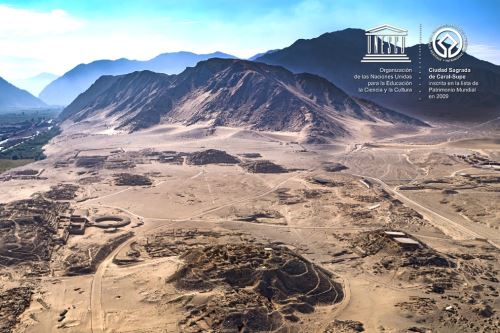
The United Nations commemorates the International Day of Peace each September 21st, promoting ideals of peace and dialogue. Peru uses the date to remember Caral, a civilization that flourished without evidence of war. For 32 years, researchers have investigated Caral and found no weapons or defensive structures like walls, suggesting its people did not organize around warfare.
The City of Caral-Supe, the main urban center of the first civilization in the Americas, joined UNESCO’s World Heritage List in 2009 because of its cultural and archaeological importance. Archaeologist Ruth Shady, director of the Caral Archaeological Zone, explains that reciprocity and mutually beneficial exchange were central to Caral society. Evidence shows Caral communities traded goods over long distances, receiving spondylus shells from what is now Ecuador and sodalite from the Bolivian highlands.
This exchange connected people from the coast, highlands, and rainforest. Visitors can explore Caral’s urban centers, Caral, Áspero, Vichama, and Peñico, daily from 9:00 a.m. to 5:00 p.m.