Peruvian archaeologists discover ancient gaming die
Summary and headline written by AI from the source article. How we work
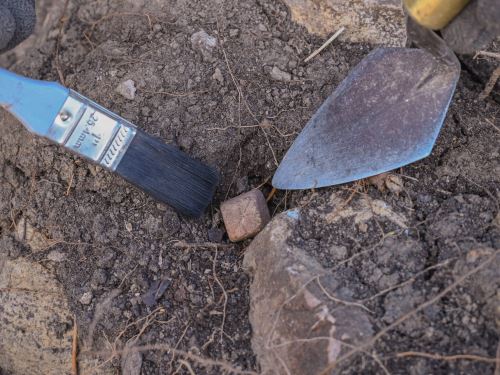
Archaeologists from the Kuélap Institute of Archaeological Research and Anthropology at the National Toribio Rodríguez de Mendoza University of Amazonas, Peru, uncovered a prehistoric die during excavations at the Ollape archaeological site.
The small, prism-shaped object is made of sandstone and features worked surfaces with horizontal incisions on each face. Researchers believe the artifact, called a pishca (meaning five in the Quechua language), could reshape understanding of ritual practices among ancient populations in the area.
The pishca resembles other Andean dice known from historical and archaeological sources, and was likely connected to games, luck, and possibly religious ceremonies. The discovery is notable because such pieces are rare in Peru’s archaeological record and offers a glimpse into a little-understood aspect of life for ancient societies in the Amazonas region.
The team found the die within a deposit of stones near the exterior of one of the site’s structures, suggesting the stones had been moved and accumulated after their initial use. Further study will focus on determining the die’s specific function, meaning, and the context of its use.