Inca ritual dice unearthed in Peru
Summary and headline written by AI from the source article. How we work
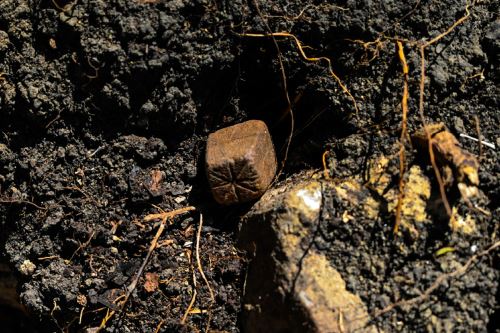
Archaeologist Pablo Solís and his team discovered a pre-Hispanic dice-like object, called a pishca or pichca, at the Ollape archaeological site in the Amazonas department of Peru.
The find marks the first of its kind discovered in northern Peru and likely dates to the Inca period. Solís believes people used the object to communicate with oracles, based on research by anthropologist Margarita Gentile.
Gentile’s work shows that these objects were originally used to interpret answers from deities when questions were posed to huacas or apus, local spirits or mountains, by a specialist who would cast the dice. Later, during the early colonial period, people repurposed the pishca for games played during wakes, and eventually for simple games of chance involving personal belongings.
The team found the dice outside of structure 166 within excavation unit number 9, part of the third season of work at Ollape, a project begun in 2024 by the Kuélap Institute of Archaeological Research and Anthropology at the National Toribio Rodríguez de Mendoza University of Amazonas. The Spanish Agency for International Development Cooperation supports the research.
While similar dice have been found in Lima at the Tres Palos huaca, Pachacámac temple, and Machu Picchu in Cusco, and even in northwestern Argentina, this one differs in material. It is made of sandstone rather than wood or ceramic. Researchers estimate the dice dates to around 1400 AD, based on associated ceramic artifacts, but will conduct radiocarbon dating for a more precise age.
Excavations at Ollape will continue through November, and the team hopes to secure funding for future work, as the site continues to reveal new insights into pre-Hispanic societies in the Amazonas region.