South Africa relocates illegally harvested baobab trees to a Nature Reserve
Headline and summary by local AI
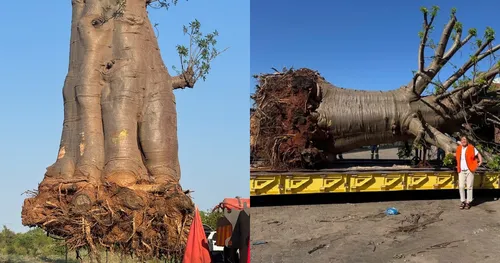
The Department of Forestry, Fisheries and the Environment (DFFE) moved five baobab trees to the Timbavati Nature Reserve in Limpopo after authorities intercepted the trees intended for export to Europe.
Authorities caught the trees at a private freight company in Bluff, Durban, where they were waiting to be shipped to Georgia. The trees, which were between 200 and 300 years old, sat in a warehouse parking area for three months because the exporter lacked the required permits.
The DFFE opened criminal cases against the owner of a landscaping company for violating the National Forests Act of 1998 and the Limpopo Environmental Management Act. The owner is scheduled to appear in the Durban Magistrate's Court in January 2027. Dr Sarah Venter, an ecologist and founder of the Baobab Foundation, led the relocation of the trees. The department initially planned to plant the trees at the Botanical Gardens in Pietermaritzburg to ensure public access.
However, the department chose the Timbavati Nature Reserve because the Botanical Gardens lacked the necessary budget for storage and transportation. Officials also determined that the soil at the gardens was too waterlogged, which could cause root rot and kill the trees. The move to Timbavati Nature Reserve sparked criticism from some people who argued that a private game reserve limits access for those who cannot afford entry fees.
The DFFE stated that the reserve is part of a conservation model that provides ecological connectivity between Kruger National Park and nearby private areas without boundaries.
Selected and summarized by local AI How we work
Solutions: Technology, policy and initiatives already in use against a real problem, with results to show.
More in Solutions

Madagascar launches digital Control Room to monitor protected areas
lexpress.mg · 25 Nov 2026

Illinois high school students enroll in more advanced courses after 2021 law
highereddive.com · 16 Nov 2026
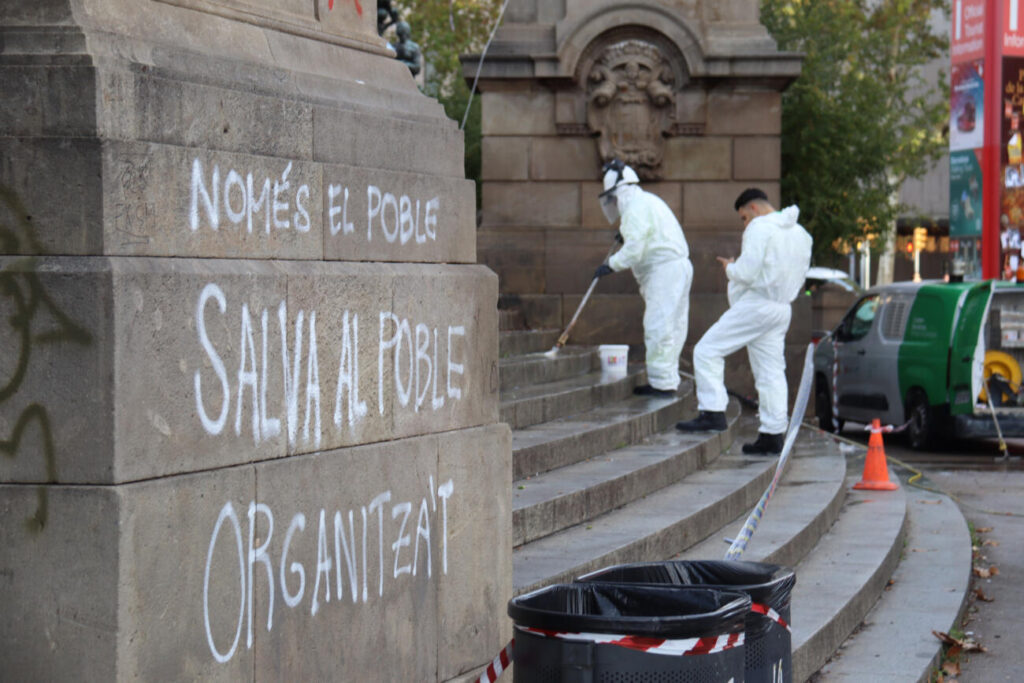
Barcelona authorities clear housing protest camp to prepare for Christmas festival
vilaweb.cat · 16 Nov 2026