Zimbabwe expands irrigation capacity to combat drought and food insecurity
Headline and summary by local AI
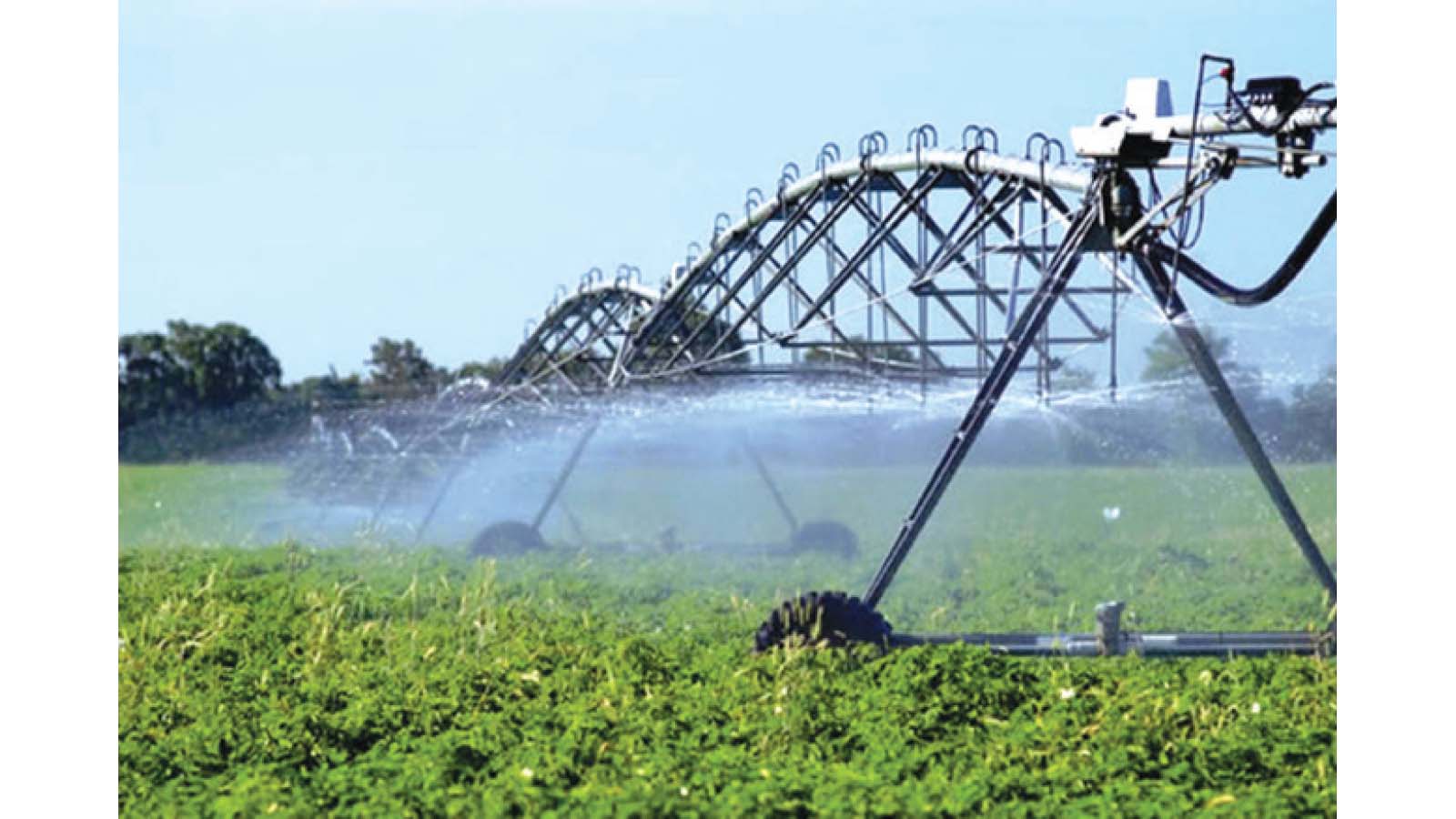
The Government of Zimbabwe expanded its irrigation infrastructure by 67,129 hectares this year to improve food security and reduce reliance on unpredictable rainfall.
The Ministry of Agriculture, Mechanisation and Water Resources Development reported that this expansion marks the largest annual increase in irrigation capacity in the history of the country. These efforts have increased the total irrigated land in Zimbabwe to 305,121 hectares.
Officials aim to reach a target of 496,000 hectares by 2030 to protect the agricultural sector against climate change and recurring droughts. The government used resources from the Grain Import Levy to rehabilitate more than 35 irrigation schemes, including Mutema, Nyanyadzi, Silalabuhwa, Wanezi, and Bulawayo Kraal. These projects allow farmers to produce crops throughout the year, which the government believes will improve household incomes and create jobs.
Agriculture Permanent Secretary Professor Obert Jiri stated that the government intends to convert water bodies into economies that support irrigation, fisheries, and electricity generation. To reach cereal self-sufficiency, the country needs at least 350,000 hectares under irrigation. While the expansion provides a foundation for growth, observers noted that the government must still provide farmers with reliable electricity, affordable equipment, and technical support.
Ensuring these investments reach smallholder farmers in drought-prone regions remains a priority to ensure the new infrastructure stays productive and does not fall into disrepair.
Selected and summarized by local AI How we work