South Africa grapples with HIV/Aids legacy
Summary and headline written by AI from the source article. How we work
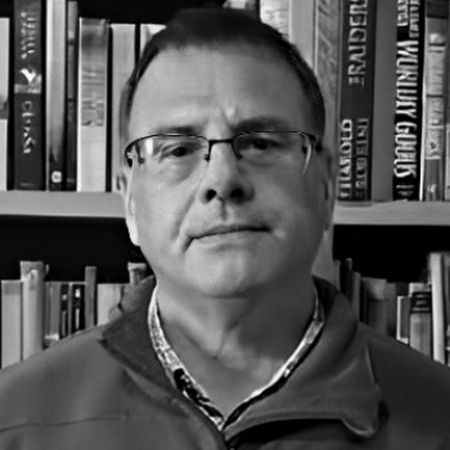
Thirty years ago, Deon de Klerk returned to Nongoma, South Africa after studying in Europe and found a close friend becoming ill with Aids.
De Klerk had begun his ministry in the Uniting Reformed Church in 1992, finding support from the Zulu congregation and community as he learned their language and customs. He built a strong friendship with a young man who shared his life and perspective, but the friend received a diagnosis of HIV in 1996.
The doctor bluntly told de Klerk his friend had Aids, speaking over him rather than to him, a moment de Klerk remembers as a display of disrespect. The friend confirmed the diagnosis and asked de Klerk to keep it secret, then immediately requested they go to the market for fruit and vegetables. De Klerk’s ministry soon involved supporting people affected by HIV/Aids, witnessing widespread suffering and stigma, and becoming a de facto sex educator within his community.
He observed a stark inequality in access to care, with wealthier people having more options than those with limited resources. Years later, after antiretroviral treatment became available, de Klerk reflected on those who died before receiving it, questioning why South Africa has not fully addressed the impact of the epidemic.
He believes the country struggles with holding people accountable for their actions, particularly those in positions of power, and notes that public policy always has real-world consequences for individuals and communities.

