South Africans revive traditional food systems to combat ultra-processed diets
Headline and summary by local AI
Method Gundidza and the EarthLore Foundation are working with rural communities in Mpumalanga, Limpopo, and Masvingo, Zimbabwe, to restore indigenous seeds and farming rituals. These efforts aim to bring traditional food back to local plates while resisting the global shift toward ultra-processed diets.
The EarthLore Foundation collaborates with community elders to protect natural sites and revive traditional agricultural practices. Gundidza explains that these traditional systems rely on generational knowledge to cultivate crops like maize without chemicals or genetic modifications.
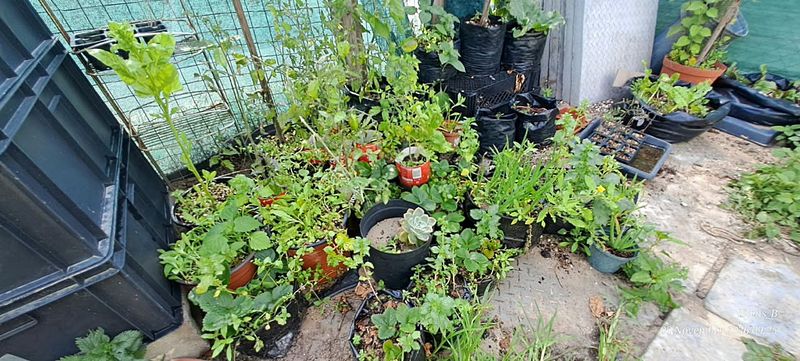
The Global Health Advocacy Incubator (GHAI) notes that these traditional diets, which consist of fresh and minimally processed foods, have a smaller environmental impact than ultra-processed foods, which rely on resource-intensive monocultures and contribute to pollution and greenhouse gas emissions. Nomonde Buthelezi, a resident of Cape Town, began growing her own vegetables after a diagnosis of irritable bowel syndrome led her to seek healthier food options.
She joined Soil for Life to learn how to make organic food accessible and eventually co-founded the Food Agency Cape Town (FACT) in 2021. Buthelezi now teaches children in local schools how to maintain food gardens and understand the health benefits of home-grown produce. Christie-Ann Dinthe also advocates for a shift away from processed items by removing added sugars and seed oils from her daily life.
She focuses on home-cooked meals with her family to maintain a social connection to food. The GHAI observes that ultra-processed foods can erode food culture by reducing opportunities for communal cooking and sharing meals.
Selected and summarized by local AI How we work