Mozambican government distributes computers to students to bridge digital divide
Summary and headline written by AI from the source article. How we work
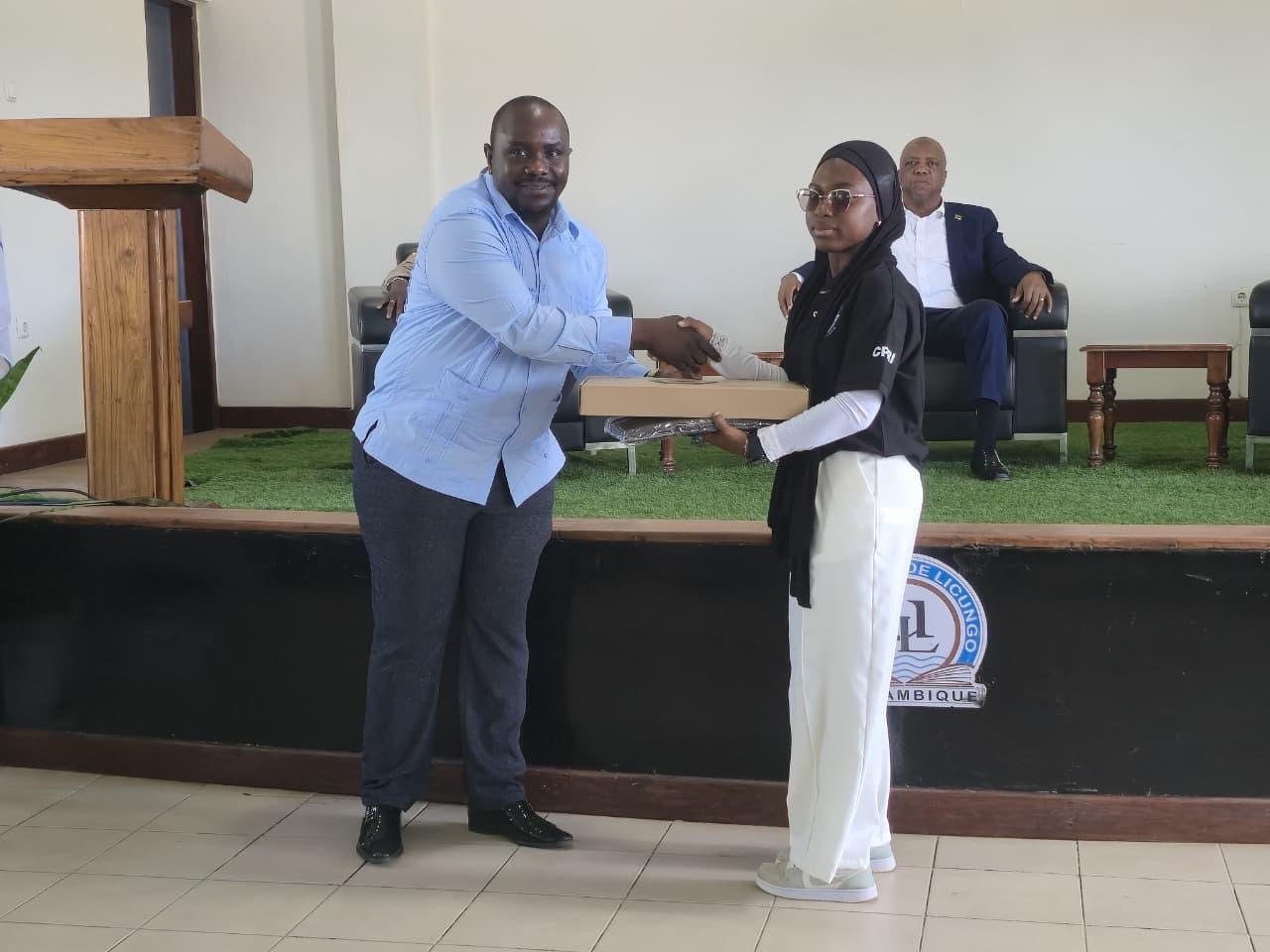
The Mozambican government distributed 1,787 computers to university students in the Zambézia and Manica provinces to improve access to digital tools for education.
The distribution addressed severe hardships faced by students who lacked personal technology. Rosa Sabonete, a student in Quelimane, reported that she previously had to stay out late to finish assignments, leading to two attempted sexual assaults. Another student, José, faced the risk of armed robbery while traveling to use shared equipment.
A third student, Judite, suffered from gastrointestinal problems because she had to spend long hours away from home without enough money to eat while using others' computers. The government initiative, titled "One Computer, One Higher Education Student," prioritizes students in scientific and technological fields and those in socioeconomic vulnerability. The program started in April 2025 with an initial phase of 5,000 devices.
This latest delivery in Zambézia and Manica follows a previous distribution of 1,572 devices in Sofala, bringing the total for these three provinces to 3,359 computers. Américo Muchanga, the minister of Communications and Digital Transformation, stated that the country relies on these students to become a competitive nation. While the program aims to reduce inequality, the International Telecommunication Union notes that only 20.5% of the Mozambican population used the internet in 2024.
The government has already distributed 19,454 computers to higher education students and connected 418 schools to the internet as part of its digital transformation policy.


