National Portrait Gallery expands collection to 11,000 photographs
Headline and summary by local AI
The Smithsonian Institution's National Portrait Gallery in Washington, D.C., is celebrating 50 years of expanding its photographic collection.
When the gallery first opened in 1968, a legal restriction prevented curators from acquiring photographs. This rule existed because the Library of Congress wanted to prevent the gallery from competing for photo acquisitions. Congress only changed the law in 1976 to allow the museum to collect portraits made by any process. The museum now holds more than 11,000 photographs.
To mark this milestone, the gallery is hosting an exhibition called "Photographic Memory: Fifty Years of Collecting." The show features 129 objects, which represents about 1 percent of the total collection. The display includes a wide range of styles, from 1843 daguerreotypes to modern inkjet prints. The exhibition features portraits of figures like Abraham Lincoln and Dolley Madison. Some works, such as an 1846 daguerreotype of Madison, have never been shown publicly.
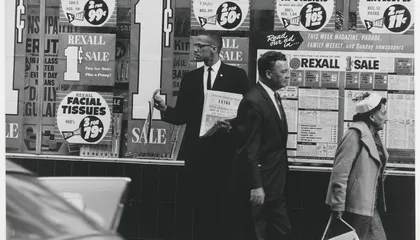
The collection also includes photojournalistic images that capture people in action, such as civil rights activist Ella Baker. Curators chose these pieces to show how photography has evolved as a way to document American history and culture.
Selected and summarized by local AI How we work