Chihuahua DNA contains traces of ancient coyote interbreeding
Headline and summary by local AI
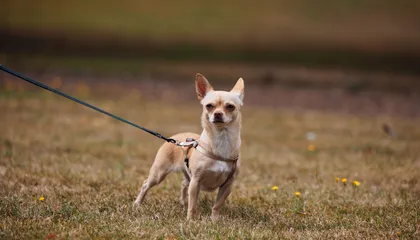
Geneticists discovered that Chihuahuas carry a small amount of coyote DNA, likely resulting from ancient interbreeding between wild coyotes and the ancestors of domestic dogs in the Americas.
The research team identified these genetic markers while testing a new high-resolution software algorithm designed to track canine ancestry. The scientists found that coyote DNA makes up approximately 0.1 percent of the Chihuahua genome. This genetic link likely formed long before Europeans arrived in the Americas.
The study suggests that the ancestors of Chihuahuas were the Techichi, a mute dog breed kept by the Toltec civilization in Mexico as early as the 9th century C.E. Researchers found that about 4 percent of the Chihuahua genome comes from the Techichi, and a tiny fraction of that lineage contains the coyote DNA. The team also found identical coyote DNA segments in the Chinese crested, suggesting the interbreeding occurred with an ancient breed that eventually produced both modern dogs.
While the discovery links Chihuahuas to wild coyotes, the scientists state that this small amount of DNA probably did not shape the fearless personalities of the modern breed. The study also examined the Xoloitzcuintli, a Mexican hairless dog, and found that 4 percent of its DNA comes from indigenous dogs that lived in the Americas before European colonization. These results suggest that indigenous dogs began interbreeding with European dogs around 1700 C.E.
Selected and summarized by local AI How we work