Wolves and humans evolved as partners, not master and pet
Summary and headline written by AI from the source article. How we work
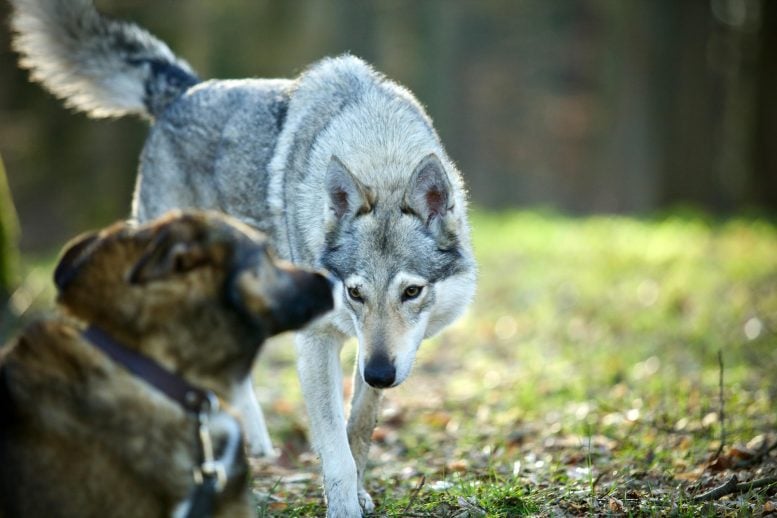
For 15,000 years, people and wolves cooperated, eventually leading to the diverse range of dog breeds seen today. Archaeologist Professor Peter Mitchell argues that domestication wasn’t simply humans taming wolves, but a partnership where both species adapted to each other and their environments.
Different communities fostered unique traits in dogs based on their needs and surroundings. In the Arctic, dogs evolved to pull heavy loads in frigid conditions, developing strong limbs and thick coats.
Tropical dogs, meanwhile, became agile hunters in dense rainforests of South America and Southeast Asia, sometimes with intentional breeding programs that included crossing with wild canids to maintain hunting skills. Beyond practical uses, some cultures, like those on the Northwest Coast of North America, bred dogs for cultural purposes, weaving their wool into ceremonial blankets. Disease also played a role in shaping dog populations, with illnesses like trypanosomiasis potentially limiting their spread in sub-Saharan Africa.
Modern genetics show that many ancient dog lineages have been lost due to the spread of European breeds, but traces of their ancestry still offer clues to the long history of human-dog co-evolution. This partnership continues to this day, with both species still influencing each other.