Controlled burns protect giant sequoias from wildfires
Summary and headline written by AI from the source article. How we work
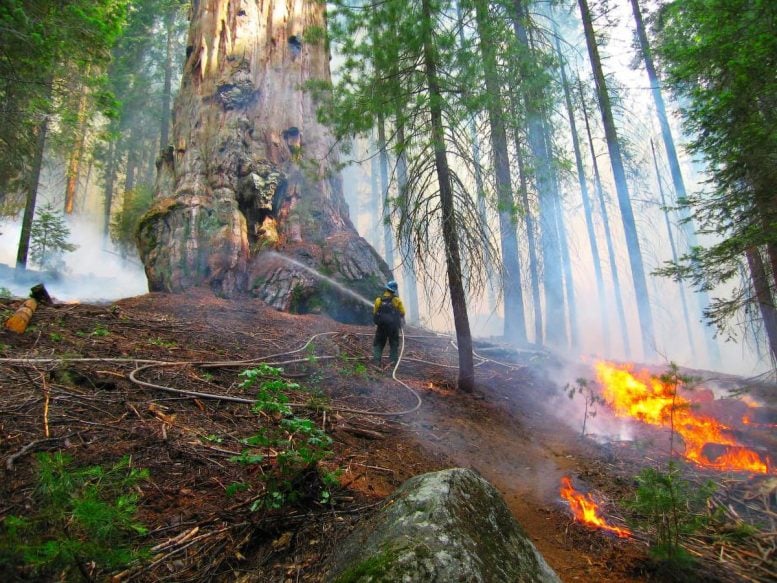
Researchers at the University of California, Davis, determined that giant sequoias in California’s Sierra Nevada mountains survived recent wildfires at higher rates when areas around them had been intentionally burned in the prior decade.
The study examined nearly 26,400 trees across 19 groves impacted by the Castle Fire in 2020 and the KNP Complex Fire in 2021, comparing survival rates in areas with and without prior prescribed burns.
They used airborne lidar and satellite imagery to assess vegetation and tree health before and after the fires. The team found that sequoias with a history of prescribed fire were approximately four times more likely to survive the extreme wildfires. Their analysis estimated that these burns prevented around 1,900 sequoia deaths, and an additional 3,900 trees could have been saved if all groves had received the treatment.
Sequoia and Kings Canyon National Parks have used this approach since the 1960s, creating a long-term record of fire history within the groves. Giant sequoias, which can live over 3,000 years and weigh as much as 15 blue whales, are naturally fire-resistant due to their thick bark and high canopies. However, increasing wildfire frequency and intensity due to climate change are challenging even their resilience.
The recent die-off of thousands of sequoias in 2020 and 2021 was unusual, but the study confirms that prescribed burns remain a crucial tool for protecting these iconic trees.


