Ancient viral DNA surfaces in medieval manuscripts
Summary and headline written by AI from the source article. How we work
Researchers traced the 3,500-year history of the sheep pox virus (SPPV) by examining DNA preserved in medieval parchment manuscripts across Eurasia.
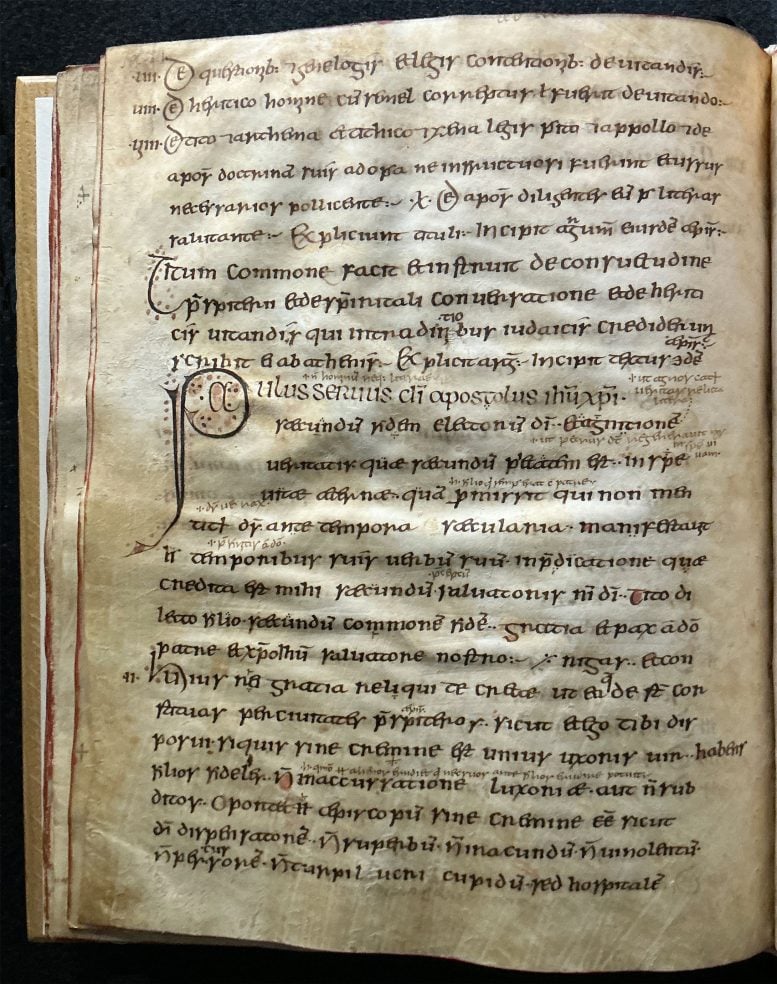
An international team led by University College Dublin analysed parchment made from animal skins, discovering viral DNA alongside the written text. They found the virus affected European sheep flocks centuries before modern veterinary records existed, using documents like the York Gospels and the Corpus Glossary to track its spread.
The team reconstructed over 3,500 years of SPPV evolution, identifying the virus not only in manuscripts but also in Bronze Age sheep teeth found on the Eurasian Steppe. This combination of evidence revealed the virus threatened livestock as far back as 3,700 years ago, coinciding with the expansion of animal domestication. Surprisingly, they also detected the virus on parchment identified as calfskin and goatskin, suggesting potential cross-species infection or contamination during manufacturing.
These discoveries demonstrate that parchment preserves more than just cultural history. Because livestock were essential to medieval life, the diseases found within the manuscripts can offer insights into past economic conditions. The researchers believe libraries and archives worldwide may hold similar untapped biological evidence, potentially mapping the circulation of livestock diseases across centuries and even informing strategies to combat modern outbreaks, as the virus remains a threat today with current outbreaks in places like Greece.