A 1666 manuscript suggests Galileo built advanced telescopes earlier than thought
Headline and summary by local AI
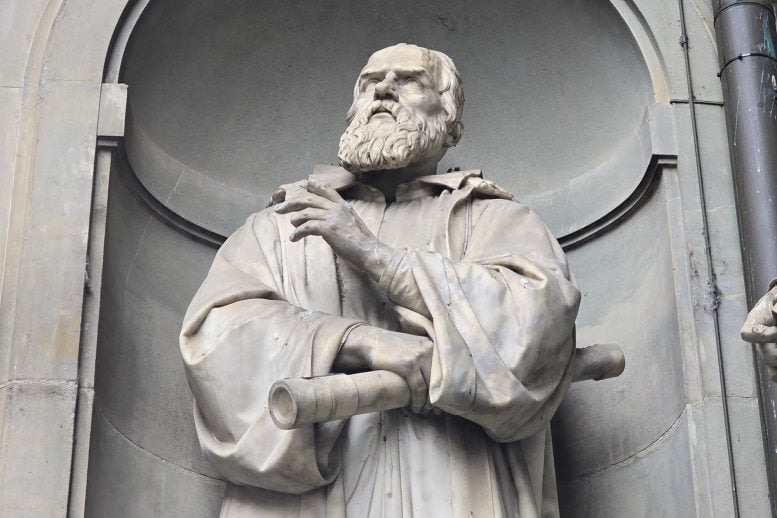
A researcher at the University of Limerick discovered a 360-year-old manuscript that may prove Galileo Galilei built a sophisticated four-lens telescope as early as 1630.
The document, titled De Tellescopiis Stellarum, was written in 1666 by Ignacio Muñoz, a Dominican friar. It describes a telescope with a reverse-tapered body and a specific lens arrangement that allowed distant objects to appear upright. The manuscript surfaced because a colonial official, Antonio Sebastián de Toledo Molina y Salazar, tested Muñoz's scientific knowledge.
Muñoz wanted to return to Spain from Portuguese India and offered a nautical innovation to King Philip IV in exchange for passage home. To verify Muñoz's claims, the viceroy of New Spain gave him a telescope and ordered a detailed technical analysis. Muñoz recorded these details in the manuscript, explicitly stating the instrument was "manufactured by Galileo." This discovery challenges the established history of optics. Most records suggest four-lens telescopes first appeared between 1643 and 1645.
If the manuscript's claim is accurate, the timeline of telescope development would move back by at least a decade. While no surviving telescope from Galileo's lifetime is definitively linked to him, the researcher notes that Galileo presented three telescopes to the Spanish royal family. The manuscript provides a rare look at how these instruments functioned as prestigious tools for political and scientific elites.
Selected and summarized by local AI How we work