Ancient DNA from 7,000-year-old leather links prehistoric goats to modern breeds
Headline and summary by local AI
Researchers extracted ancient DNA from a 7,000-year-old piece of goat leather found in a Spanish burial cave to study prehistoric animal husbandry.
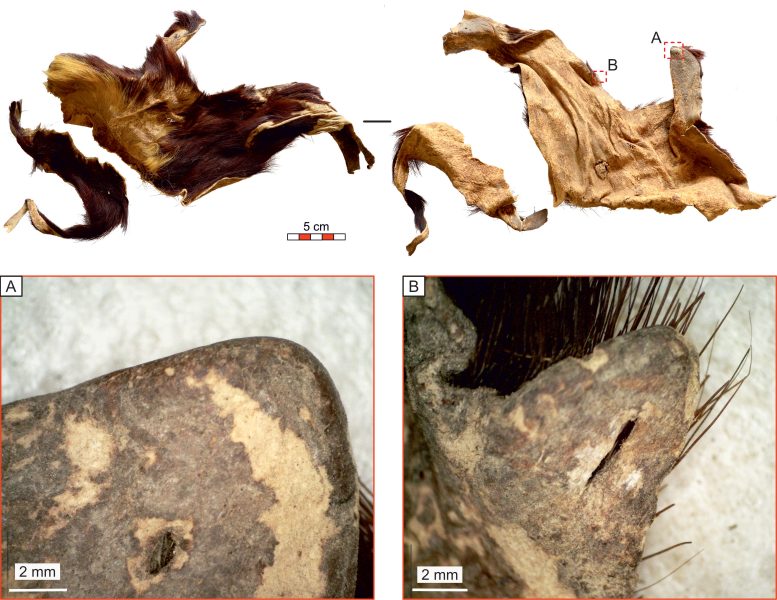
Jolijn A. M. Erven of University College Dublin and a team of colleagues identified the leather as belonging to a domestic goat rather than a wild Iberian ibex. The team published their findings in the journal PLOS One. The leather fragment was recovered from Cueva de los Murciélagos, a burial site in southern Spain.
Scientists used radiocarbon dating to confirm the specimen is approximately 7,000 years old. Physical marks on the leather indicate that Early Neolithic communities tanned and perforated the hide, likely to create a garment or protective covering. Genetic analysis revealed that the ancient goat shares a close lineage with the modern Bermeya goat breed from northern Spain. The researchers noted that the ancient specimen lacked African genetic ancestry, which is common in modern European goats.
This suggests that the exchange of goat populations between Africa and Europe may have occurred after the Neolithic period. The team successfully recovered both mitochondrial DNA and nuclear DNA despite the challenges of preserving genetic material in warmer climates. Francisco Martínez-Sevilla noted that the preservation at Cueva de los Murciélagos is exceptional for organic materials. Kevin Daly stated that the study demonstrates how international teams can transform an archaeological object into a link with living animals.
Selected and summarized by local AI How we work


