American “cheetah” was a puma relative, adapted to Arctic life
Summary and headline written by AI from the source article. How we work
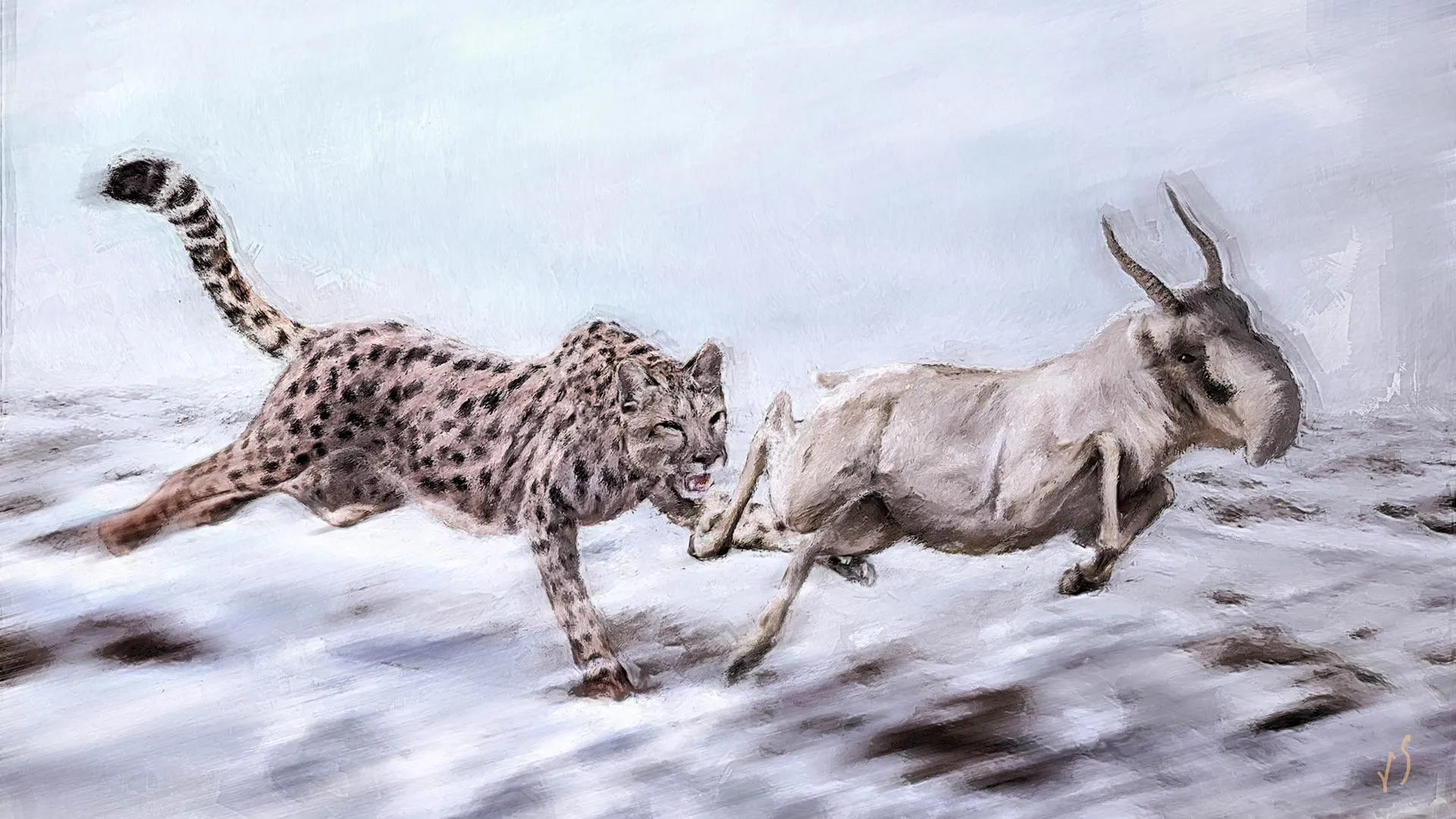
Scientists at the University of California, Santa Cruz, determined that the extinct Miracinonyx trumani, long known as the American “cheetah”, was actually a close relative of the puma.
Research published in Current Biology used ancient DNA and isotope analysis of fossils to reveal the animal’s surprising adaptability. While cats in the southern United States lived as generalist predators in grasslands, those in the Arctic Yukon relied heavily on fish, possibly salmon, for sustenance, extending the species’ known range significantly northward.
Adult M. trumani weighed around 150 pounds and grew to about eight feet long. Though they resembled cheetahs in build, researchers found the cats were more versatile hunters, capable of pursuing prey on land and grabbing it with strong forelimbs. Genetic analysis showed M. trumani split from the puma lineage approximately 2.6 million years ago, with its cheetah-like body being a result of convergent evolution, unrelated species developing similar traits in similar environments.
The study also revealed that these cats lacked a functional gene for detecting sour tastes, a trait sometimes found in animals with specialized diets. Researchers observed low genetic diversity in fossils from both Wyoming and the Yukon, suggesting a gradual decline over a long period, rather than a sudden collapse, ultimately contributing to the species’ extinction. The team worked with the Tr'ondëk Hwëch'in and Vuntut Gwitchin Traditional Territories, respecting their stewardship of the lands where fossils were found.