Captive crocodiles adapt to wild in Bangladesh
Summary and headline written by AI from the source article. How we work
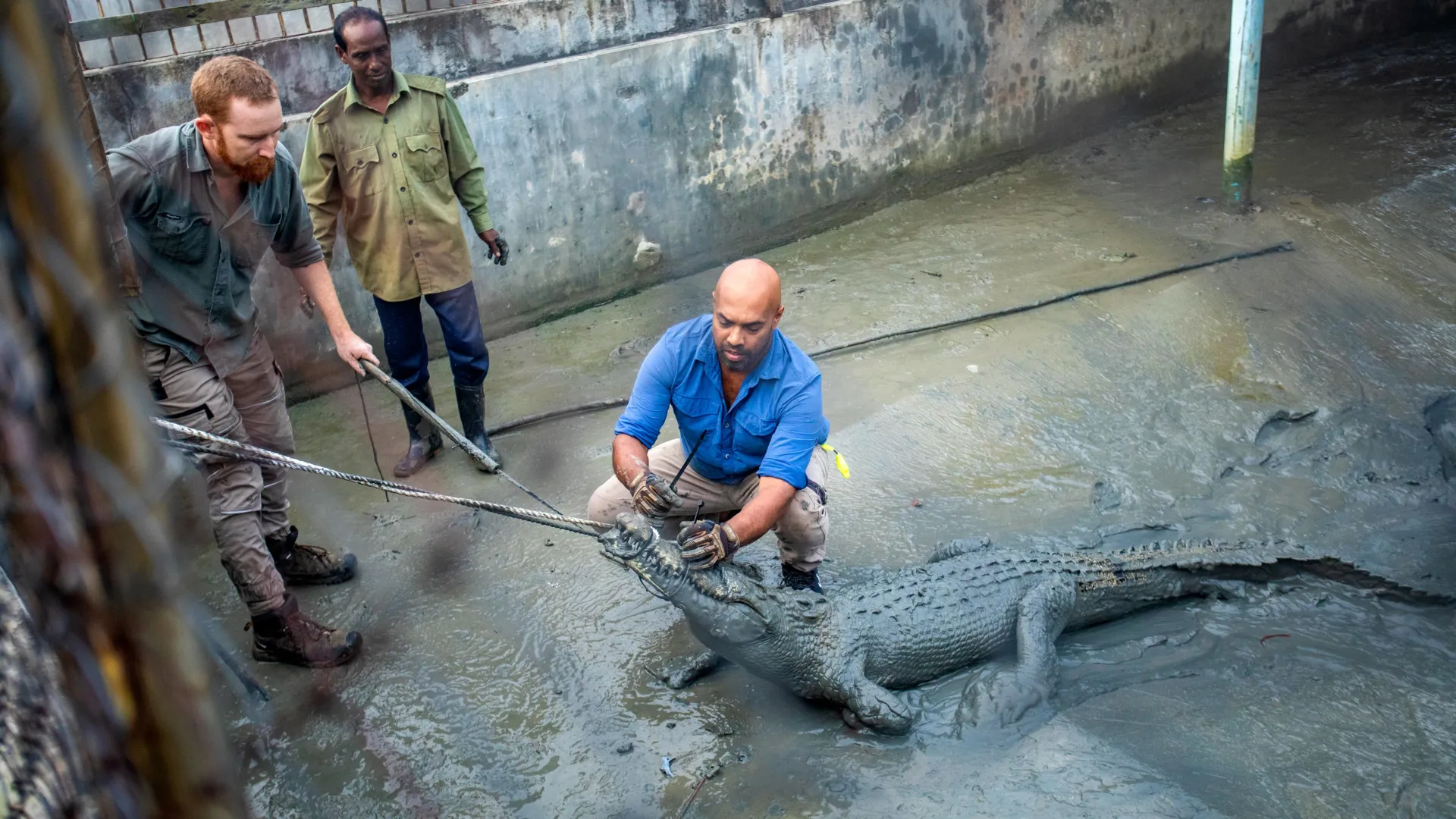
Researchers in Bangladesh tracked saltwater crocodiles after releasing them into the Sundarbans mangrove forest. They discovered that mature crocodiles raised in captivity did not attempt to return to the breeding facility, instead establishing territories and behaving like wild crocodiles.
For decades, hunting reduced saltwater crocodile numbers in Bangladesh until the species received legal protection in 1973. Despite this, the population has not recovered significantly, leaving only an estimated 140 mature individuals in the Sundarbans.
Scientists fitted five crocodiles, three raised in captivity, one local wild crocodile released at the same site, and one wild crocodile moved a long distance, with satellite trackers to study their movements. The captive-raised crocodiles settled into defined areas, while the translocated wild crocodile clearly tried to return to its original location, traveling up to 30 kilometers in a single day.
Associate Professor Ru Somaweera of Murdoch University suggests these findings mean conservationists could successfully restore crocodile populations by releasing older, captive-bred crocodiles instead of relying on vulnerable hatchlings. Careful planning will still be needed when releasing wild crocodiles moved from other areas, as they are likely to attempt to return home.