New dinosaur find links South America and Europe
Summary and headline written by AI from the source article. How we work
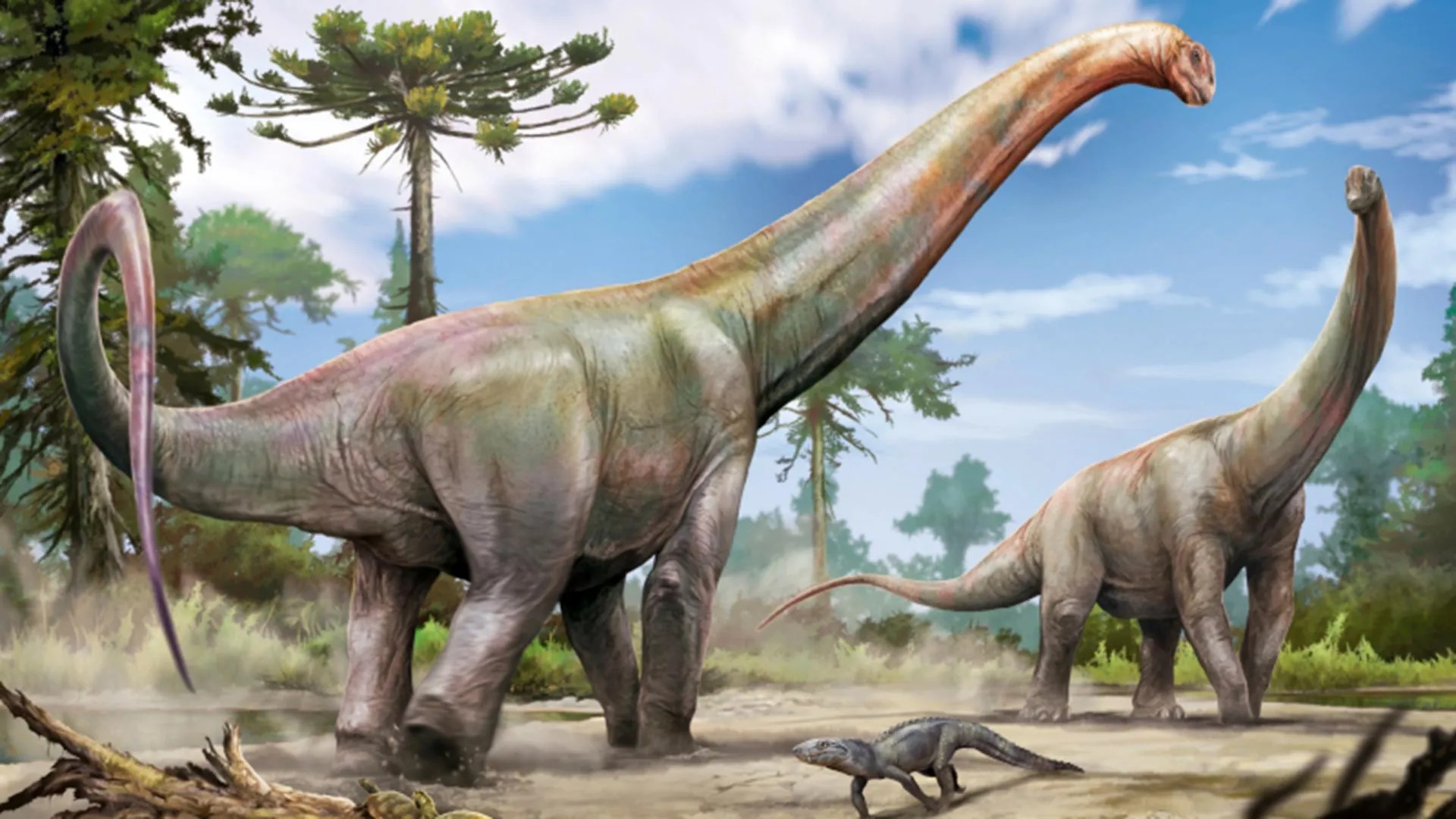
Scientists in Brazil discovered a 20-meter-long dinosaur, Dasosaurus tocantinensis, during construction of a road rail terminal in Davinópolis, Maranhão.
The team identified the dinosaur as a new species after uncovering its fossils in 2021. Researchers determined that Dasosaurus tocantinensis lived approximately 120 million years ago and shared a close evolutionary relationship with a dinosaur species found in Spain.
This connection suggests that ancestors of the Brazilian dinosaur travelled through North Africa and into South America when these landmasses were still connected as part of the supercontinent Gondwana between 140 and 120 million years ago. The discovery marks the largest known dinosaur found in the state of Maranhão, which previously held fossils of smaller dinosaur species like Amazonsaurus maranhensis.
The remarkably complete fossil, including tail vertebrae, a 1.5-meter femur, ribs, and limb bones, allowed researchers to study the dinosaur’s bone structure. Analysis revealed a growth pattern combining traits of older sauropods and titanosaurs, potentially indicating that certain bone development patterns emerged earlier in dinosaur evolution than previously thought. The team hopes to return to the construction site to excavate additional fossils and further investigate the dinosaur and its lineage.