Ancient human relative may have created all-female burial site in South Africa
Headline and summary by local AI
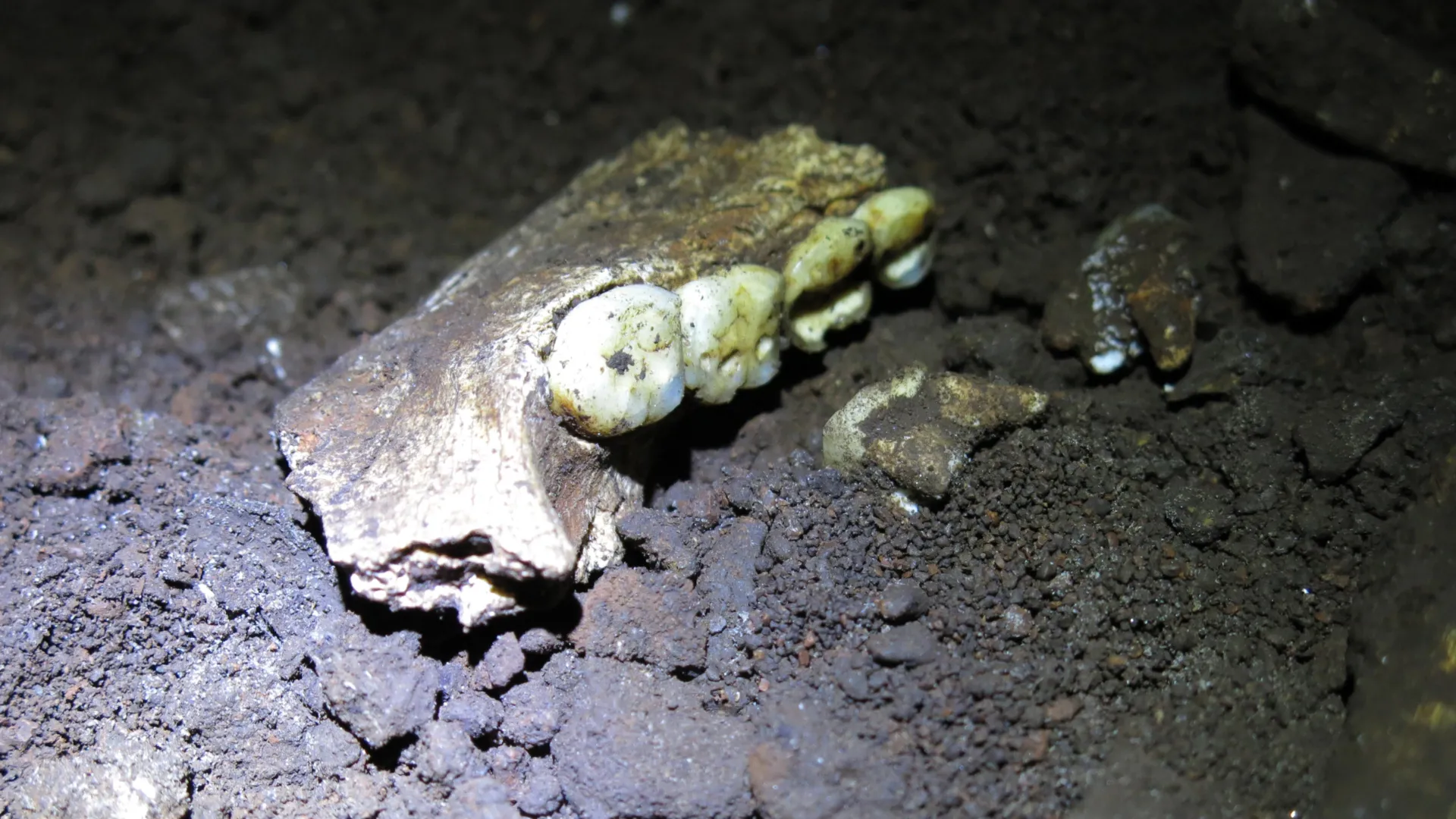
An international team of researchers discovered that a cave in South Africa potentially contains a burial site used exclusively by females from an extinct human relative called Homo naledi.
Scientists analyzed ancient proteins found in the fossilized teeth of at least 20 individuals who lived between 335,000 and 241,000 years ago. The study, published in the journal Cell, addresses a decade-long mystery regarding the lack of physical variation among adult Homo naledi fossils found in the Dinaledi Chamber.
By using acid etching to recover protein fragments from 23 teeth, the team looked for Amelogenin-Y, a protein linked to the male Y chromosome. They found no evidence of this male marker in any of the samples. Researchers from the University of York and the University of Copenhagen say the findings could suggest complex social customs or symbolic burial traditions previously thought to belong only to modern humans.
However, the team noted that the results could also mean the population lived in extreme isolation, causing the gene for Amelogenin-Y to mutate or disappear entirely. In that case, the individuals could have been male despite lacking the protein marker.
Selected and summarized by local AI How we work
More in Discovery

Vatican restorers discover Michelangelo used multi-headed brushes
smithsonianmag.com · 6 Nov 2026

Bogota's first photograph from 1842 heads to Paris auction
colombiaone.com · 8 Nov 2026

Historian Kitty Hauser examines the myth of Geoffrey Bardon and Aboriginal art
thesaturdaypaper.com.au · 13 Nov 2026