Experimental immunotherapy eradicates liver cancer in a 3-year-old boy
Headline and summary by local AI
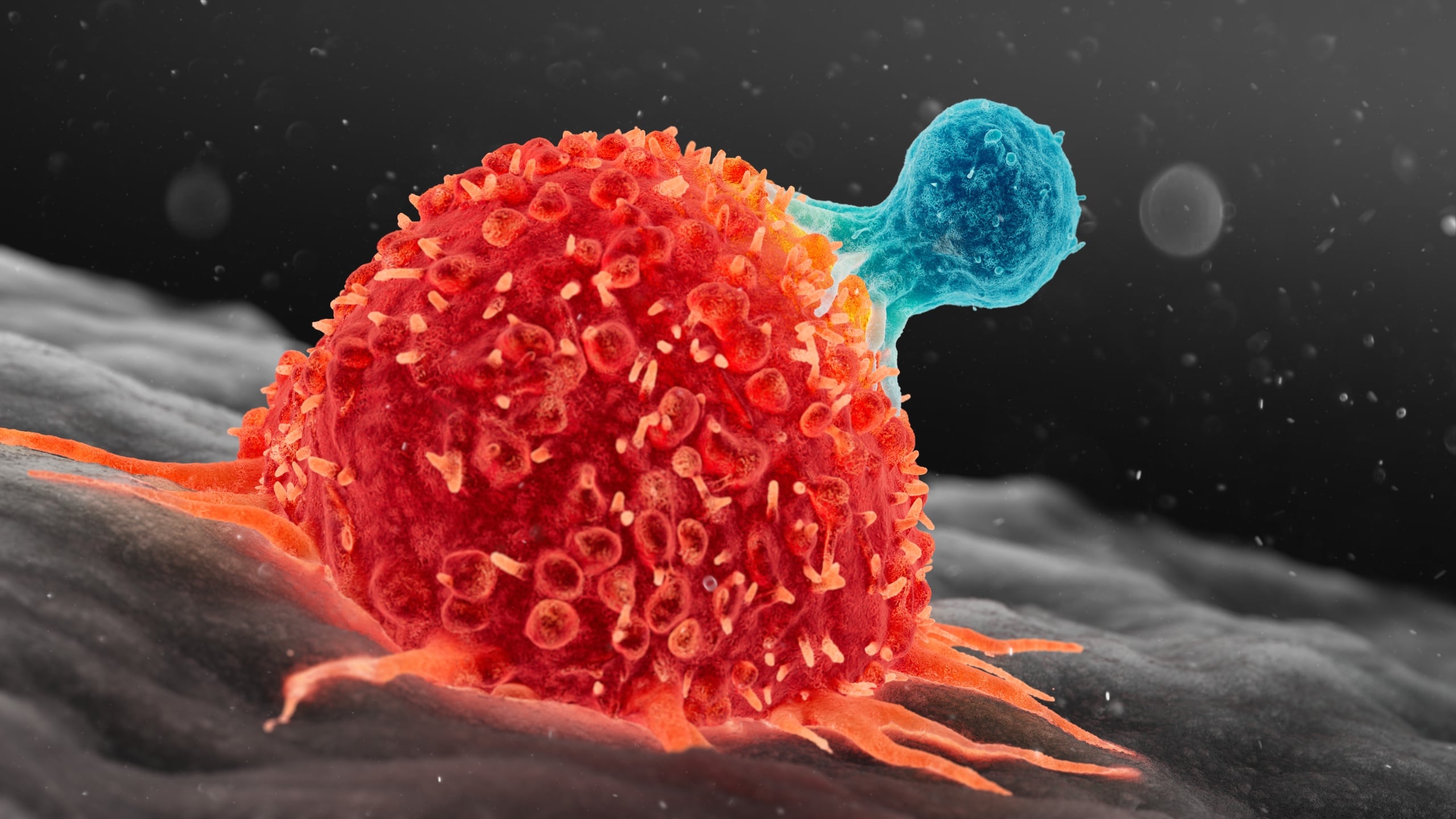
Researchers at Baylor College of Medicine and Seattle Children's Hospital treated a 3-year-old boy with an experimental CAR T cell therapy to combat hepatoblastoma, a malignant liver cancer.
The boy had a large liver mass and cancer that had spread to his lungs and bones. Despite undergoing chemotherapy and multiple surgeries to remove the tumors, the cancer returned quickly. The medical team used a technique called Chimeric Antigen Receptor (CAR) T cell therapy.
They took the boy's own immune cells and genetically engineered them to identify and attack glypican-3, a protein frequently found in liver cancers. They also added genes to the cells to produce specific proteins intended to increase the lifespan and effectiveness of the treatment. Following two infusions of the GPC3-CAR treatment, the boy showed a partial response and then a complete regression of the disease. One year after the treatment, the boy remained free of the cancer.
Doctors noted that the treatment worked in an outpatient setting without causing systemic toxicity. While this success provides evidence that the therapy could be a safe and effective option for liver cancer, researchers emphasize that this is a single case from an early-phase trial. They are continuing to test the treatment in the CARE and IMPACT clinical trials to determine its safety and effectiveness for other patients with solid tumors.
Selected and summarized by local AI How we work