New dicynodont species challenges age of early dinosaur fossils
Summary and headline written by AI from the source article. How we work
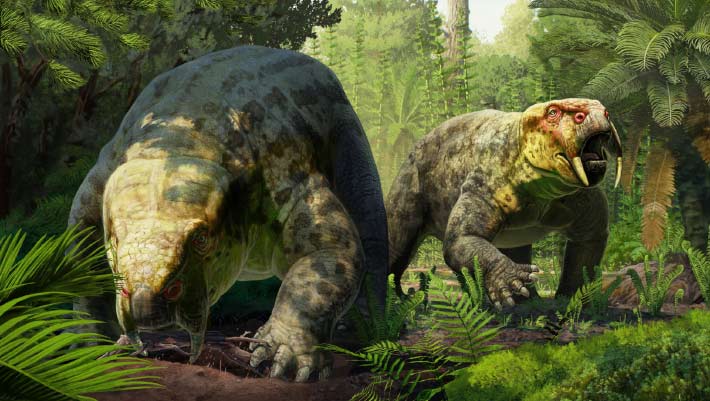
Paleontologists working in Tanzania identified Dinodontosaurus isiyavamanda, a new species of ancient mammal relative, from fossils collected in the Manda Beds over several decades.
The plant-eating dicynodont lived around 240 million years ago during the Triassic period and previously was known only from fossils in South America. Researchers examined the Tanzanian fossils using CT scans and 3D imaging, then compared them to South American relatives to confirm the new species.
This discovery links fossil-bearing rocks in Tanzania to those in Brazil and Argentina, suggesting they formed during the same period. Because Dinodontosaurus is securely dated in South America, its presence in Tanzania indicates the Manda Beds, which contain potentially the oldest known dinosaur fossils, are likely younger than scientists previously believed. Specifically, the research suggests the rocks are from the late Ladinian to Carnian ages, between 242 and 227 million years ago, rather than the earlier Anisian age previously assigned.
This revised timeline could change understanding of when the earliest dinosaurs and their relatives first appeared in Earth’s history, and paleontologists will now consider this new dating when studying the origins of major Mesozoic animal groups.


