DNA analysis tracks a 5th century traveler across the Roman Empire
Headline and summary by local AI
Researchers identified a 5th century man who traveled over 800 miles from the Danube region to northwestern Germany.
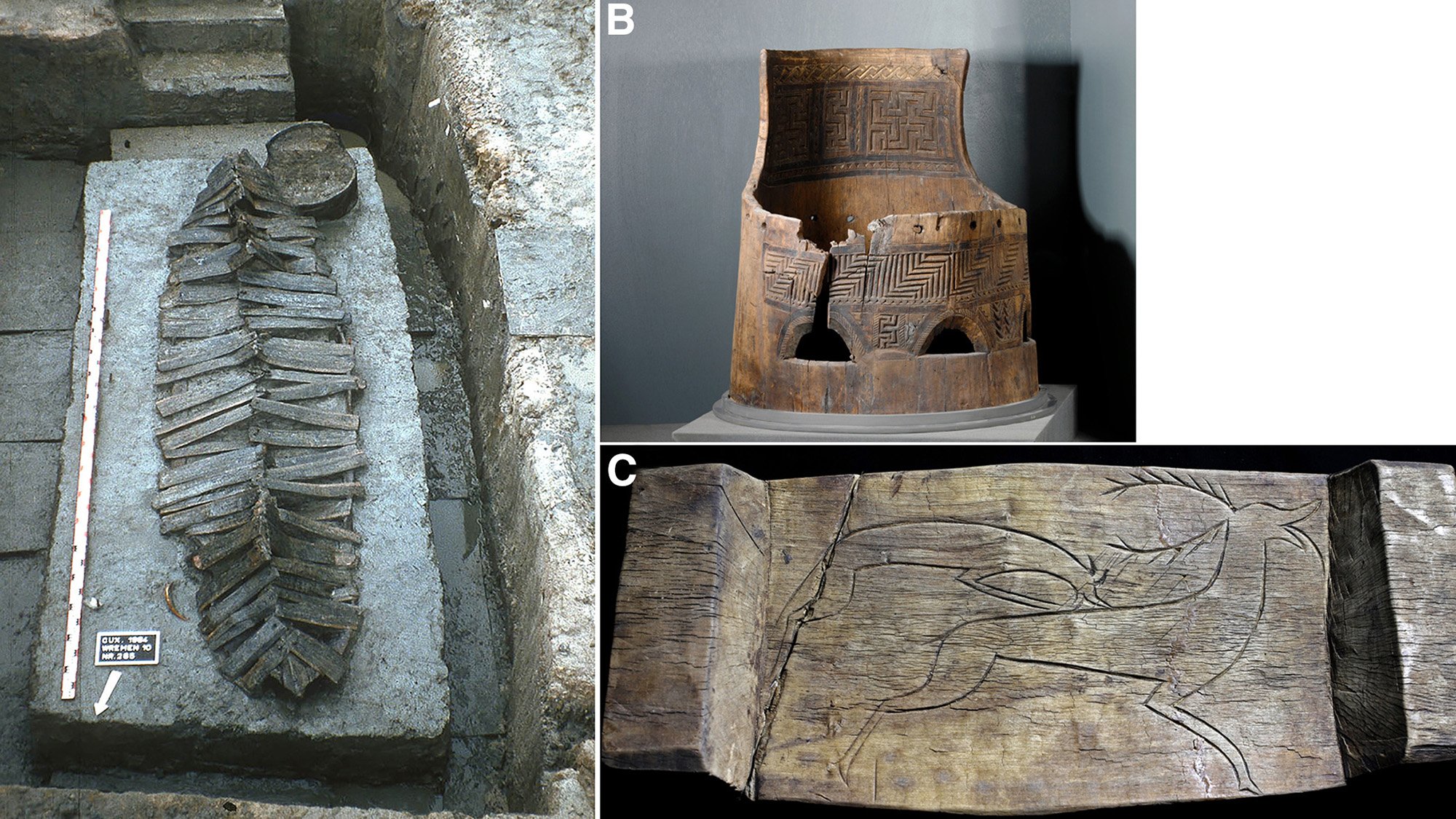
The man was buried in an elaborate 13-foot-long oak boat at the Fallward burial ground, a site located near the North Sea coast. Genetic analysis of the remains revealed that the man had close family from the Danube region, which encompasses parts of modern day Croatia, Hungary, Slovenia, and Serbia.
This suggests he or a relative moved from the eastern part of the Roman Empire to the German coast during the Migration Period, a time of intense upheaval and collapse of Roman authority. Archaeologists also found a Roman military belt and an ornate carved chair, or throne, inside the boat burial. These items suggest the man held a position of authority or had extensive connections.
Researchers note that he may have been a mercenary in the Roman army or a long-distance trader who eventually settled in the rural German coastline to fish or row. The DNA also confirmed the man suffered from a rare form of leprosy originating from the Mediterranean region. Because his bones showed no damage, experts say he might have carried the disease for years without showing clear symptoms while traveling.
Selected and summarized by local AI How we work
Discovery: Archaeology, new knowledge of art, culture and history, forgotten history uncovered, something lost restored.


