Volcanic activity and low solar energy worsened vitamin D deficiencies in Victorian England
Headline and summary by local AI
Archaeologists from Durham University examined teeth from a 19th century Quaker cemetery in northeast England to study the health of children during the Industrial Revolution.
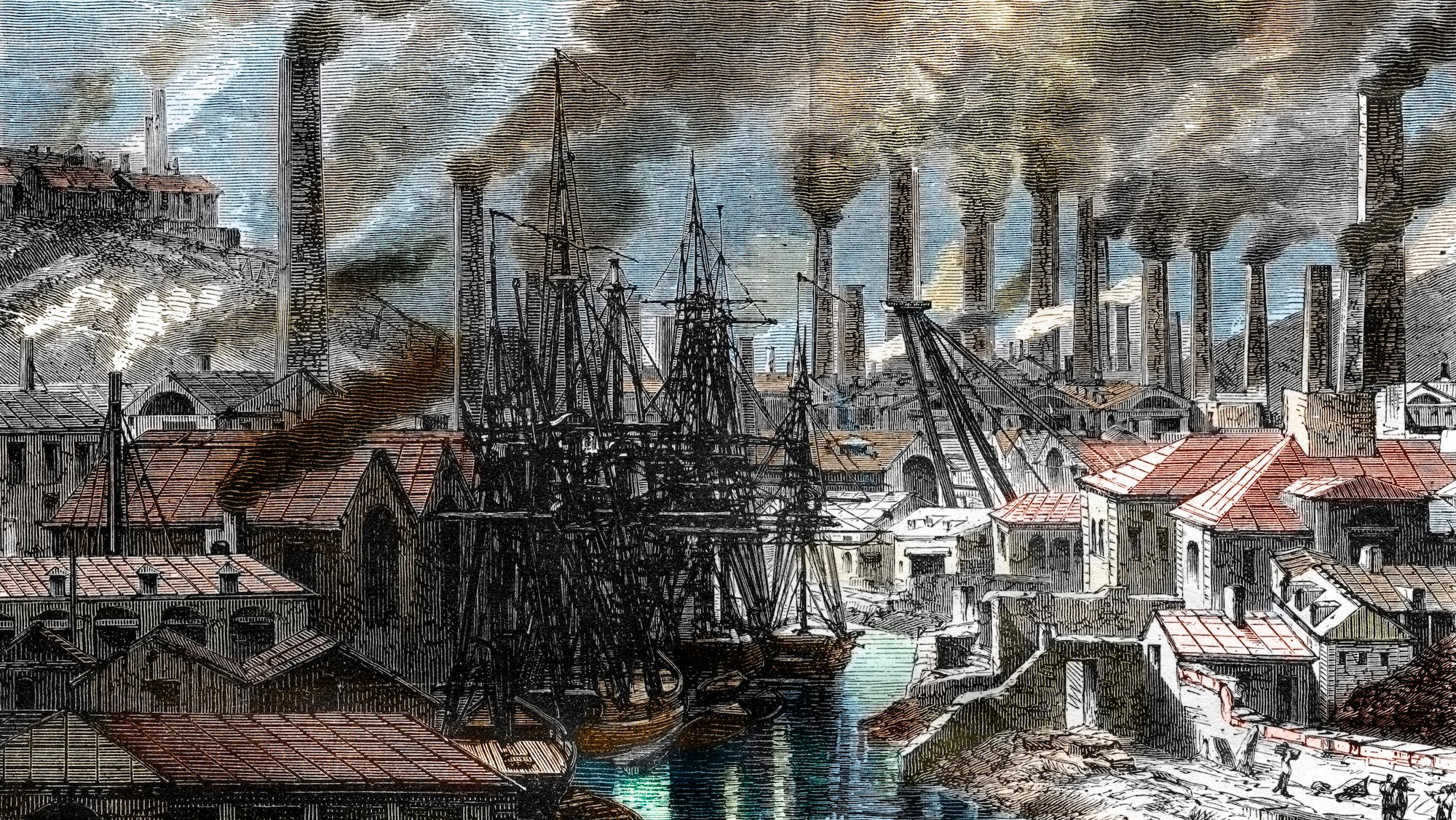
The researchers investigated how environmental factors influenced the development of rickets, a condition where bones fail to mineralize properly due to a lack of vitamin D. The study suggests that the Little Ice Age, a period of cooling from the 13th to the 19th centuries, played a role in these health issues.
Unlike modern climate change, this cooling was caused by increased volcanic eruptions and lower solar activity. These natural events reduced the amount of ultraviolet rays available for humans to produce vitamin D, which may have worsened the poor health of children already struggling with the pollution and poor housing of the Industrial Revolution. The team analyzed 30 teeth from 21 individuals buried between 1711 and 1829. They identified specific dental defects that occurred during infancy and childhood, indicating poor calcification.
By using precise Quaker records to match birth years to these dental issues, the researchers found that many children were born during years of high volcanic activity or low solar energy. The authors argue that these natural climatic shifts interacted with social and industrial factors to shape the physical health of the Victorian population.
Selected and summarized by local AI How we work
Discovery: Archaeology, new knowledge of art, culture and history, forgotten history uncovered, something lost restored.