Lewis and Clark’s mercury-laced waste aids archaeological mapping
Summary and headline written by AI from the source article. How we work
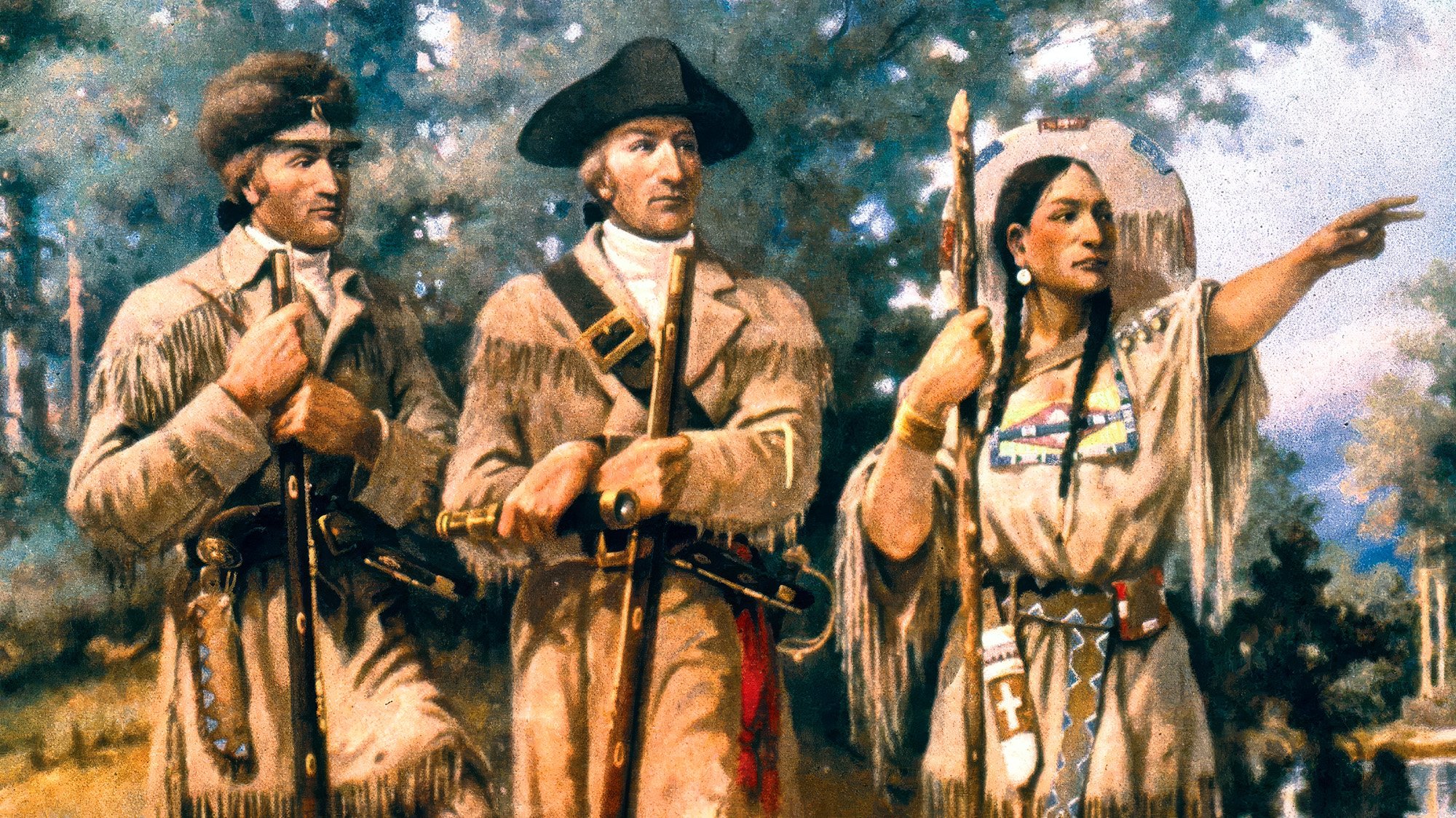
In 1804, President Thomas Jefferson tasked Meriwether Lewis and William Clark with exploring the Louisiana Purchase, a territory of 828,000 square miles acquired from France. The expedition team of around 40 men, including Sacagawea, travelled westward for over two years, documenting the land and seeking a trade route to the Pacific coast.
To prepare for the journey, William Clark received medical training from Dr.
Benjamin Rush, who provided him with 50 dozen of his “Bilious Pills”, a powerful laxative containing mercury chloride. The Corps of Discovery’s diet of dried goods and meat caused frequent constipation, leading the men to take the pills liberally. As a result, the expedition left behind hundreds of latrine pits containing detectable levels of mercury across the American Midwest and toward the Pacific coast.
Archaeologists have now used these mercury deposits to confirm the location of at least one campsite, Traveler’s Rest near Missoula, Montana, differentiating it from animal burrows or ditches. Because mercury doesn’t break down in the soil, these latrine pits are offering historians a new way to map the expedition’s route and understand the daily lives of those who travelled it.
/https://tf-cmsv2-smithsonianmag-media.s3.amazonaws.com/filer_public/07/c7/07c76340-2db9-4c7c-a8d4-732053b0e7e0/sarcophilus_harrisii_taranna.jpeg)