Clay tobacco pipes served as social status markers in 18th-century Sweden

Headline and summary by local AI
Archaeologist Robert Bergman Carter from Lund University identified how tobacco pipes functioned as social status symbols in 18th-century Sweden.
His doctoral thesis examines how the physical characteristics of clay pipes, such as length and finish, communicated a person's place in the social hierarchy. Carter analyzed archaeological finds, including six tons of clay pipes discovered at Slussen in Stockholm in 1984.
He compared these remains with archival records, factory price lists, and advertisements to develop the concept of "smokeways." This concept describes the specific smoking manners and behaviors that differed across social classes. While tobacco use was widespread among men, women, and children, the way people interacted with their pipes revealed their economic standing. Lower social classes typically used coarse, unpolished pipes with shorter stems.
These pipes often show heavy staining and bite marks, suggesting they were held between the teeth during manual labor. In contrast, higher social classes used longer, polished pipes. Carter notes that smoking a 45-centimeter stem required a person to remain still, a luxury for those performing manual work. Some wealthy owners even had servants smoke their pipes to create a "seasoned" appearance that signaled high status.
A 1747 import embargo on ordinary pipes led to a boom in domestic Swedish clay pipe production. These pipes were made from gray clay that turned white after firing in a kiln. While the physical objects have largely disappeared today, Carter argues that the social signals sent by consumption habits remain a consistent part of human behavior.
Selected and summarized by local AI How we work
Discovery: Archaeology, new knowledge of art, culture and history, forgotten history uncovered, something lost restored.
More in Discovery

South Korean astronomers identify real celestial bodies in Van Gogh painting
delfi.lv · 10 Nov 2026
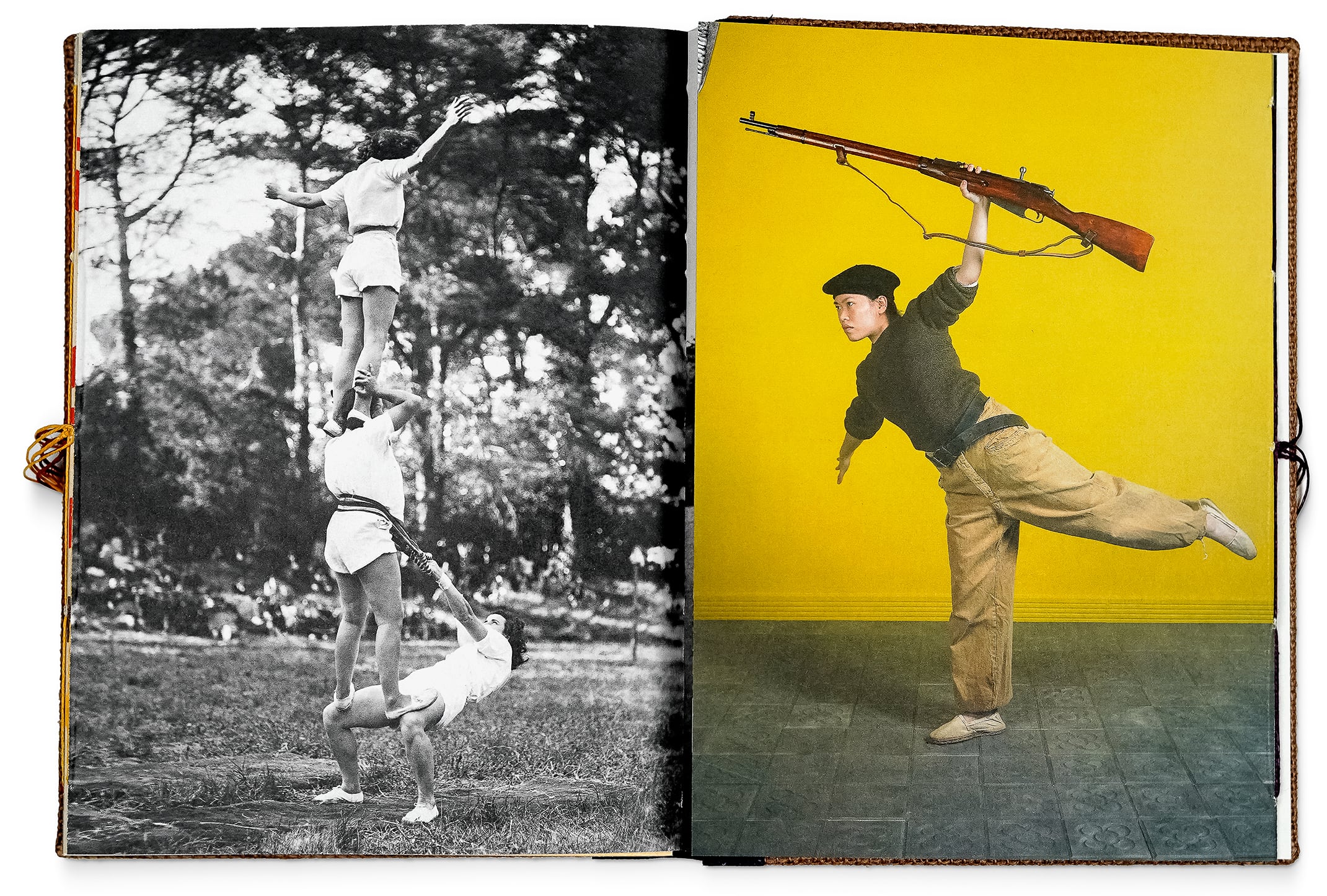
Marta Martín Núñez maps two generations of Spanish Civil War photobooks
elpais.com · 5 Nov 2026

Researchers use medical scanning technology to crack 400 year old padlock
independent.co.uk · 4 Nov 2026