Norway reintroduces textbooks to combat declining student skills

Headline and summary by local AI
The Norwegian government is reintroducing printed textbooks into primary schools to address a drop in students' reading and writing abilities.
For nearly 20 years, the country prioritized digital tools like laptops and tablets in classrooms, a trend that accelerated during the COVID pandemic. However, officials now believe the rapid adoption of these devices occurred before the country fully understood their impact on learning.
The shift in policy follows a period where school authorities even required every primary school student in Oslo to have a personal digital device. One teacher in Oslo received a written warning for choosing to use paper and pencils instead of tablets to help students who struggled with literacy. In response to these challenges, the Oslo municipality removed the requirement for one device per pupil, allowing schools more freedom to choose their teaching materials.
Authorities are also proposing new regulations to manage technology more carefully. The government plans to introduce artificial intelligence into the curriculum gradually and seeks to legally protect access to printed books. Beyond the classroom, the state plans to restrict social media and temporarily ban smart glasses with cameras in public spaces like parks and schools. These moves come after Norwegian students scored below the OECD average in reading, mathematics, and science in the 2025 PISA survey.
Selected and summarized by local AI How we work
Solutions: Technology, policy and initiatives already in use against a real problem, with results to show.
More in Solutions

Save the Children provides motorcycles to combat child labor in Côte d’Ivoire
aip.ci · 21 Nov 2026
Rwanda rehabilitates wetlands to protect 220,000 people from floods
allafrica.com · 13 Nov 2026
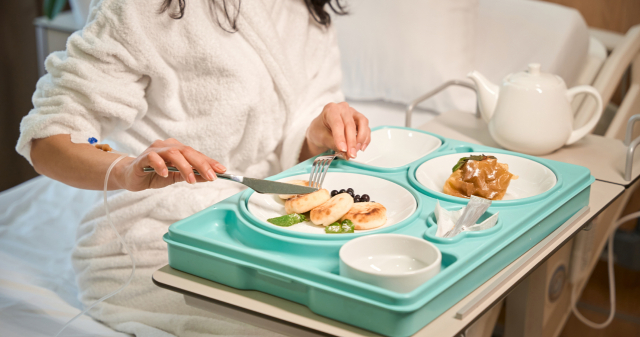
Greece plans to improve public hospital food quality based on patient feedback
protothema.gr · 20 Nov 2026