Wealth inequality developed gradually in ancient bohemian culture
Headline and summary by local AI
Researchers analyzed nearly 300 gravesites from the Corded Ware culture in Bohemia, a region in the western Czech Republic, to track the rise of social inequality.
The Corded Ware people lived in Europe between 2900 BCE and 2300 BCE. By examining the contents of these graves and the genetics of the deceased, the team sought to understand how social structures shifted as migrants from the Pontic steppes moved into the area.
The team used a tool called QuantWealth to score the affluence of the deceased based on the manufacturing time, scarcity, and distance of the objects found in the graves. Mikkel Nørtoft from the University of Copenhagen stated that the results show social differences developed gradually rather than arriving suddenly with migrating populations. The study identified an initial cooperative phase following a volcanic event, where people focused on social cohesion and shared burial rituals with few grave goods.
Between 2,700 and 2500 BCE, the researchers observed a period of funerary competition. During this time, prestige items and meat offerings became more common in graves. The team also found that gender inequality grew as adult male graves became more decorated. A new Y-chromosome haplogroup appeared during this phase, which the researchers suggest may indicate patrilineal power struggles. In the final phase, the new Y-chromosome haplotype became dominant and wealth inequality became more visible.
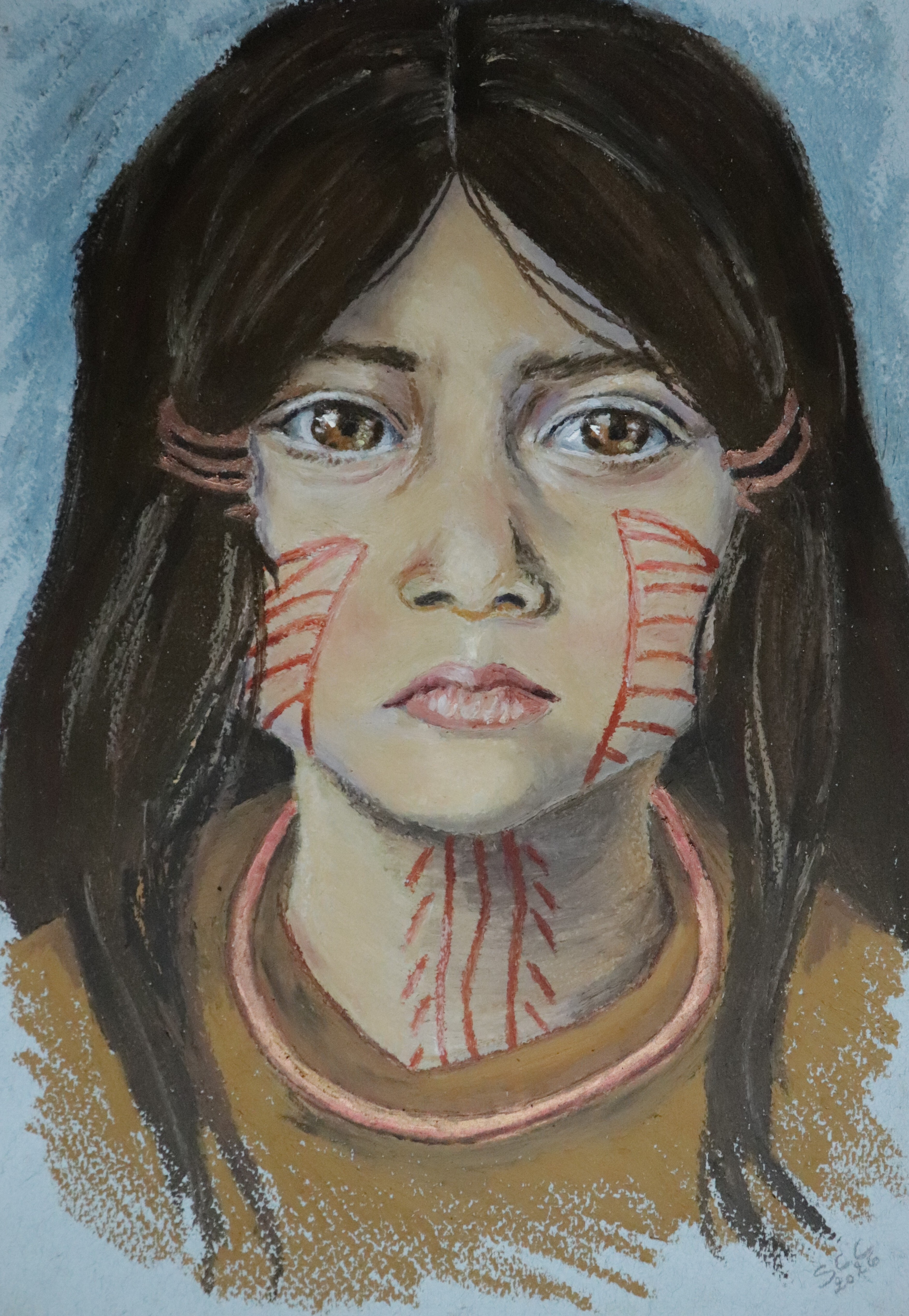
The researchers noted elaborate burials of a few children decorated with copper rings and other ornaments. Nørtoft suggested these specific graves and the prevailing lineage indicate inherited wealth and the emergence of persistent inequality.
Selected and summarized by local AI How we work
Discovery: Archaeology, new knowledge of art, culture and history, forgotten history uncovered, something lost restored.


