Bear-baiting’s origins trace back to Norman Conquest
Summary and headline written by AI from the source article. How we work
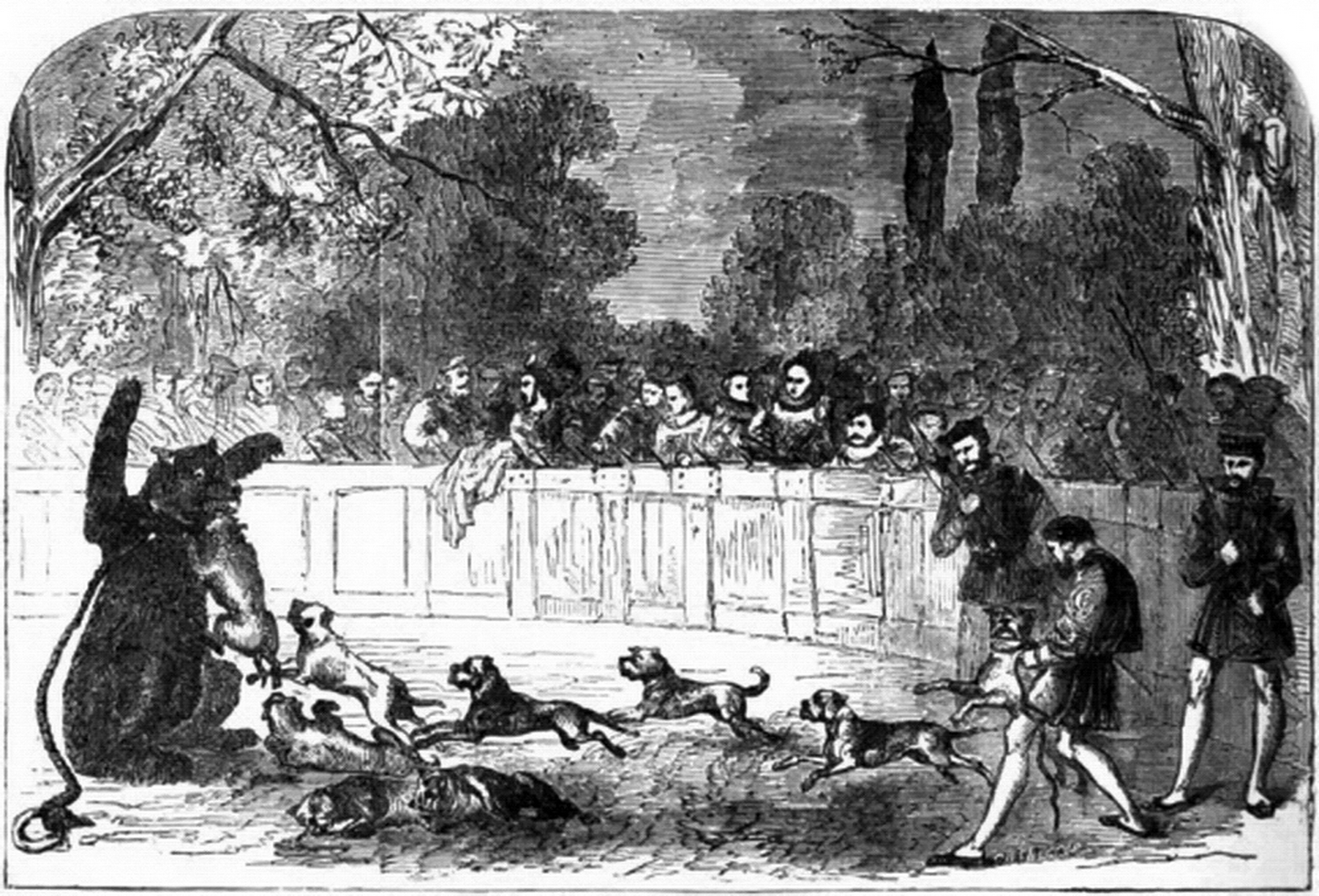
Following the Norman invasion of 1066, people in England began importing bears to stage fights between the animals and dogs.
Researchers studying literary accounts, artwork, and archaeological finds connected the practice to the arrival of William of Normandy. They found evidence including a depiction of a man fighting a chained bear within the margins of the Bayeux Tapestry, which documents the invasion.
Archaeological digs revealed bear bones and skin dating from 1000 to 1300 CE at several sites throughout England, demonstrating that bear-baiting wasn't limited to aristocratic events but enjoyed by a wider public. Researchers at Cardiff University suggest wealthy citizens likely funded bear imports to demonstrate their status, while others shouldered the financial burden of maintaining the animals.
Despite moral objections voiced by writers and a failed attempt to ban it on Sundays in 1585, vetoed by Queen Elizabeth I, bear-baiting continued for centuries. The U.K. government finally outlawed the practice in 1835. More recently, the Bristol Zoo began the Bear Wood project in 2019, creating a habitat to showcase how bears once lived in Great Britain and sparking discussion about potential reintroduction efforts.