NASA technology aids distressed boaters at sea
Summary and headline written by AI from the source article. How we work
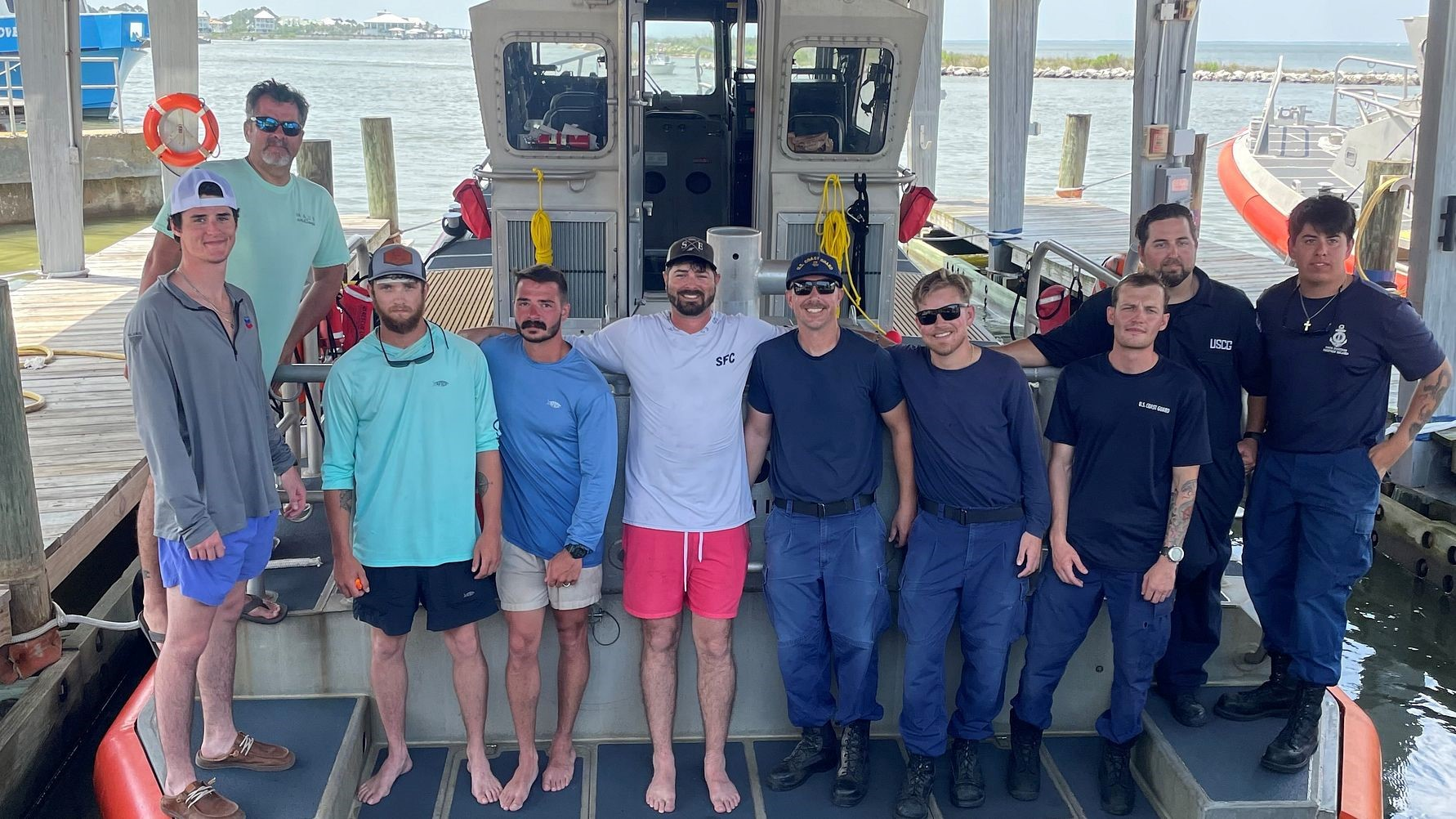
Easton Barrett and his four teammates were fishing 40 miles off the Mississippi Gulf Coast when their boat sank suddenly in May 2024.
They found themselves in the water, struggling to stay afloat with limited means of communication. Barrett used his mobile phone to record a farewell message, anticipating it might be found, while another crew member activated a personal locator beacon (PLB).
This PLB sent a distress signal to the Search and Rescue Satellite-Aided Tracking (SARSAT) system, a technology originally developed at NASA’s Goddard Space Flight Center in Maryland. SARSAT uses a network of 62 satellites to locate emergency signals and relay the information to ground stations, which then alert rescue teams. In this case, the signal reached the Florida Coast Guard, who mobilized to find the fishermen.
Since beginning operations in 1982 and expanding internationally in 1985, SARSAT has grown into a 45-nation collaboration. The system has now assisted in saving over 63,000 lives, with devices like the ResQLink PLB offering five to 10 years of battery life and notifying both rescue services and the device owner’s emergency contacts. Barrett himself now advocates for PLB use, believing the technology is vital for safety in remote locations.