Ancient peace treaty fragment found in Turkey
Summary and headline written by AI from the source article. How we work
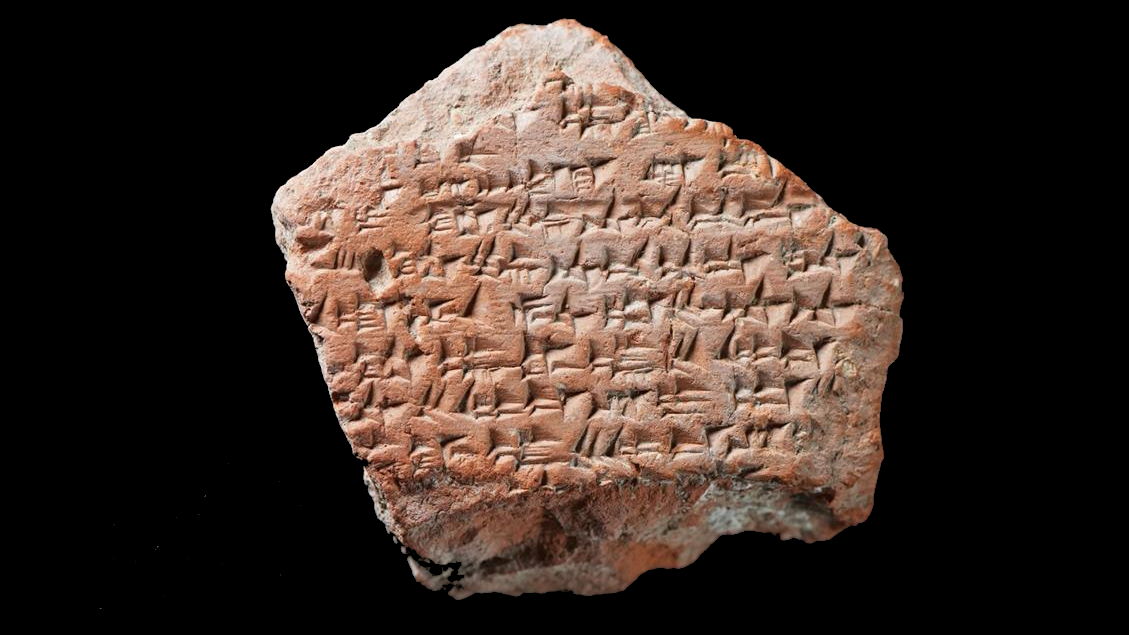
Archaeologists working in Turkey unearthed a fragment of the world’s oldest known peace treaty, originally signed around 1269 B.C.
The agreement, called the Treaty of Kadesh, was made between Ramesses II, the pharaoh of Egypt, and Hattusili III, the king of the Hittite Empire, which controlled central Anatolia, a region in modern-day Turkey.
This discovery adds to previously found portions of the treaty, revealing details about how the two leaders ended a long war lasting two centuries over land in the eastern Mediterranean. The newly discovered cuneiform tablet fragment contains text detailing the treatment of refugees.
The treaty stipulated that refugees fleeing from either Egypt or the Hittite Empire would be returned to their country of origin, but it specifically forbade any punishment for the act of seeking refuge, protecting their bodies and families from harm. Leaders at the time considered fleeing a crime, but the treaty aimed to balance justice with humane treatment. The Treaty of Kadesh is notable not for describing the battle that preceded it, but for establishing a lasting peace.
The document includes statements affirming a brotherly relationship between the two rulers, declaring that Egypt and the Hittite Empire would be “forever in a state of peace and of fraternity.” A copper replica of the treaty is currently on display at the United Nations Conference Building in New York City, highlighting its enduring message of peace and international cooperation.
/nginx/o/2026/09/22/17931748t1h7789.jpg)