Ancient Australian crust fragment seeded Southeast Asian rainforests
Headline and summary by local AI
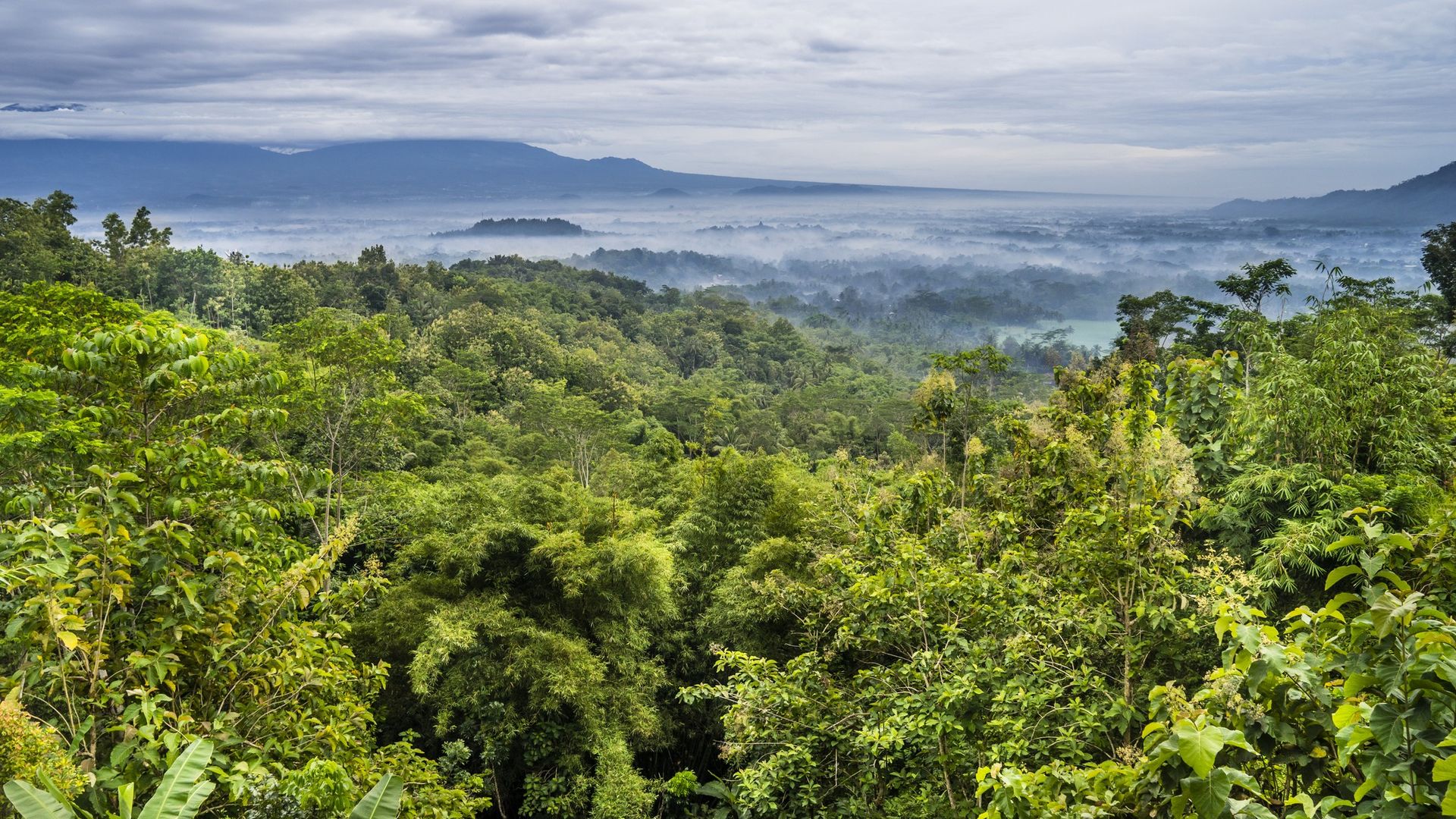
Researchers discovered that a small piece of Earth's crust from northwestern Australia traveled across an ancient ocean to populate the tropical forests of Southeast Asia.
The study shows that a microplate known as the West Burma Block split from the supercontinent Gondwana roughly 150 million years ago. This fragment carried hundreds of flowering species and other ancient plants across the Tethys Ocean toward the north.
The landmass drifted for 100 million years before colliding with Southeast Asia about 50 million years ago. This movement provided the biological foundation for the lush ecosystems found in the region today. The findings challenge previous theories that these tropical forests evolved locally after the dinosaurs went extinct 66 million years ago.
Scientists found that the West Burma Block spent millions of years near the equator, where a hot and humid climate allowed ancient plant lineages to survive and diversify in isolation. The Indian Plate also moved north during this period, eventually colliding with the fragment and the Eurasian Plate to help form the Himalayas. Byron Lamont and his team analyzed more than 3,000 plant fossils preserved in amber from Myanmar.
These fossils include flowers, leaves, and seeds from at least 392 types of flowering plants, as well as conifers and ferns. While the amber contains small insects like ants and mosquitoes, it does not show the larger animals that eventually arrived in Australia much later. Many of the plant descendants identified in the 100 million-year-old amber still live in the hot and humid regions of northeast Australia today.
Selected and summarized by local AI How we work
More in Discovery

National Museum of Scotland opens exhibition on Roman campaigns in Scotland
the-past.com · 5 Nov 2026
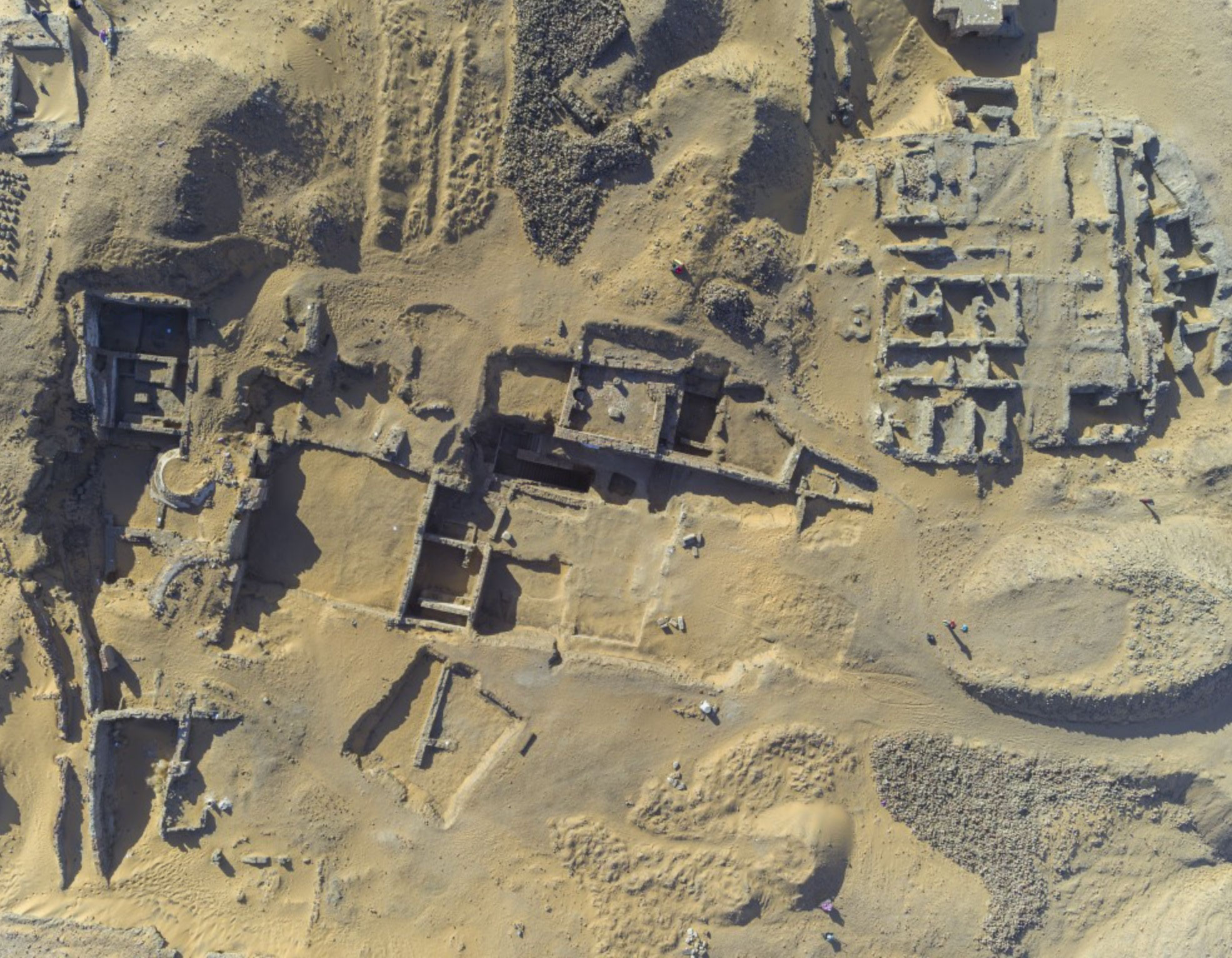
Archaeologists discover original floor of a medieval cathedral in Sudan
archaeology.org · 9 Nov 2026

Roma filmmakers showcase new narratives at Seville European film festival
theguardian.com · 11 Nov 2026