A farmer discovers a 1,600 year old Roman pepper pot in England
Headline and summary by local AI
A farmer in the village of Hoxne in southeastern England discovered a massive Roman hoard while using a metal detector to find a lost hammer in 1992.
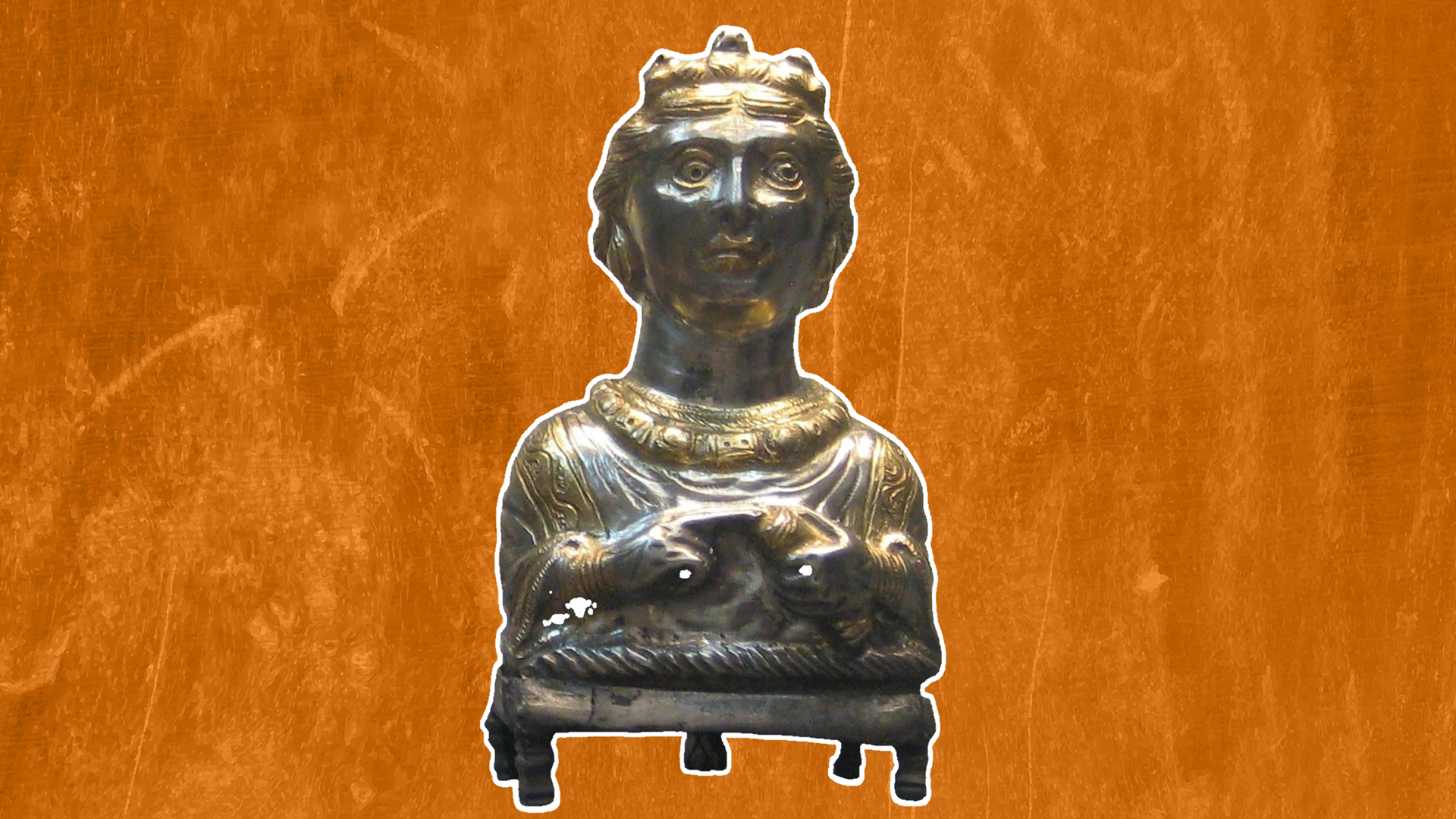
The find included more than 15,000 ancient Roman coins, jewelry, and tableware. Among these items was a silver spice container shaped like an imperial lady, which researchers named the Empress. The silver pepper pot stands about 4 inches tall and features gold decorations around the woman's eyes, mouth, and hair.
It also depicts the woman holding a scroll in her left hand. Experts believe the elaborate hairstyle dates the creation of the pot to between A.D. 350 and 400. However, researchers think the owner likely buried the hoard in the early fifth century as Roman rule in Britain ended. The pot features a disc at the bottom that allows users to set it to three positions.
This design let the owner fill the container with cracked pepper when wide open and sprinkle it over food when partly open. Because pepper did not grow in the Roman Empire and had to be imported from India, it was an expensive spice. Neil MacGregor, the former director of the British Museum, notes that a wealthy Romano-British family likely used the pot as elaborate tableware.
The Empress was found inside a chest containing dozens of silverware pieces, 29 pieces of gold jewelry, and over 15,000 coins. MacGregor suggests this collection represented the mobile wealth of a rich family who fled or hid their possessions as the Roman state failed. While the specific identity of the woman on the pot remains unknown, the scroll she holds suggests she was well educated and wealthy.
Selected and summarized by local AI How we work