Vikings used enslaved people in ritual sacrifices
Summary and headline written by AI from the source article. How we work
Archaeologists studying Viking burials in the Isle of Man discovered evidence that Vikings sacrificed enslaved people during the funerals of high-status men.
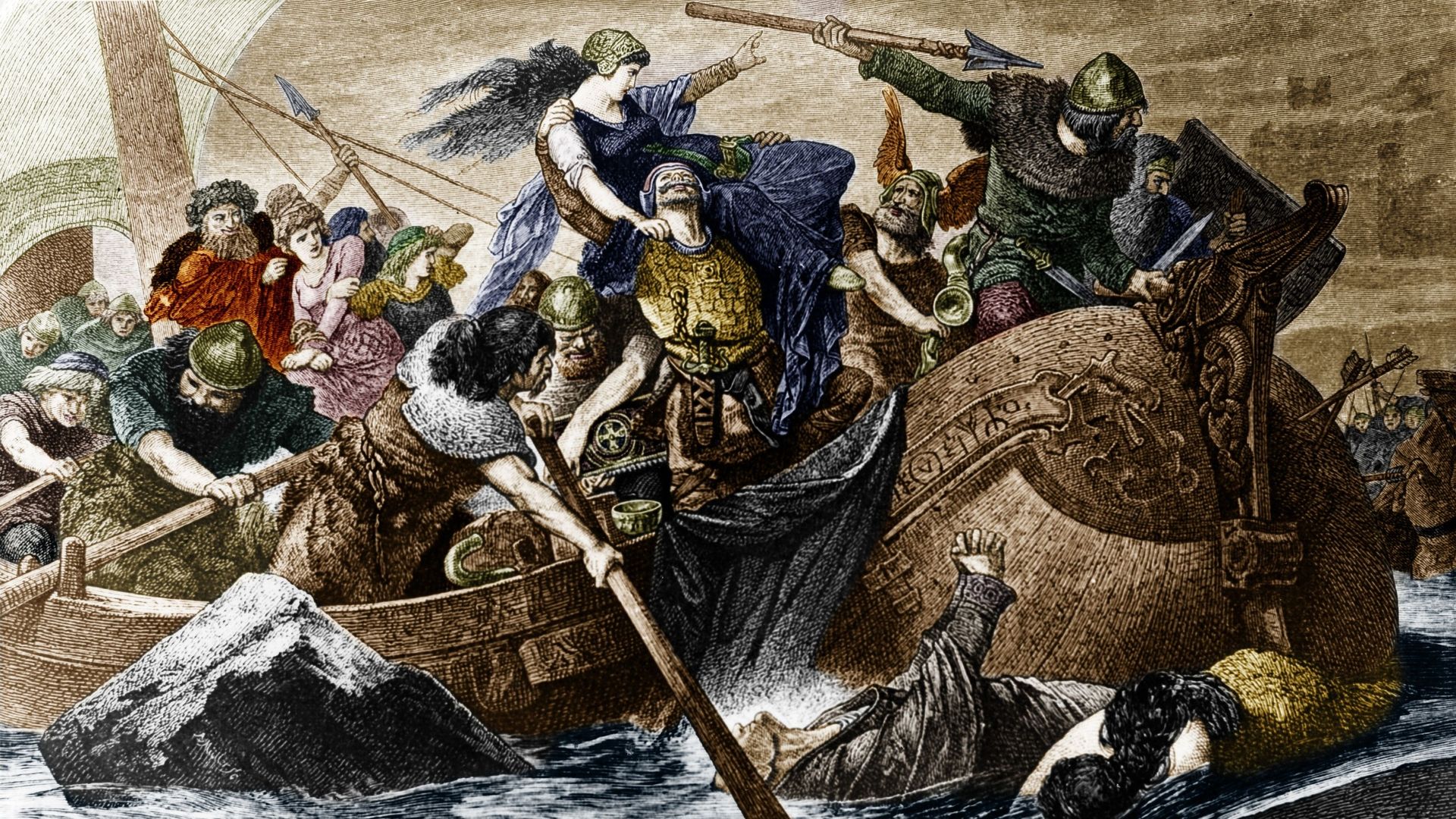
Neil Price, an archaeologist, details this practice in his upcoming book, “The Sea-King and the Sorceress: Life and Death in the Viking Age.” He explains that enslaved people, known as “thralls,” were a significant part of Viking society, acquired through raids, war, and trade.
These thralls endured harsh lives of forced labor, often identified by derogatory names referencing their appearance or hygiene. The Vikings ranked thralls in specific service categories and even allowed a few to manage estates, though most faced grueling work. As Viking raids intensified in the ninth century, the demand for enslaved people increased, fueling a cycle of aggression and exploitation.
At a burial site in Jurby parish, archaeologists found the remains of a high-status Viking man interred with his weapons deliberately broken. On top of the burial mound lay the body of a woman, aged between twenty and thirty, who had been killed by a single blow to the back of her head. Her body was covered with the cremated bones of numerous animals, suggesting a ritual sacrifice.
Price notes that while this woman’s life remains largely unknown, her death likely followed decades of servitude.