Ancient Javanese mask confused spirits to protect the living
Summary and headline written by AI from the source article. How we work
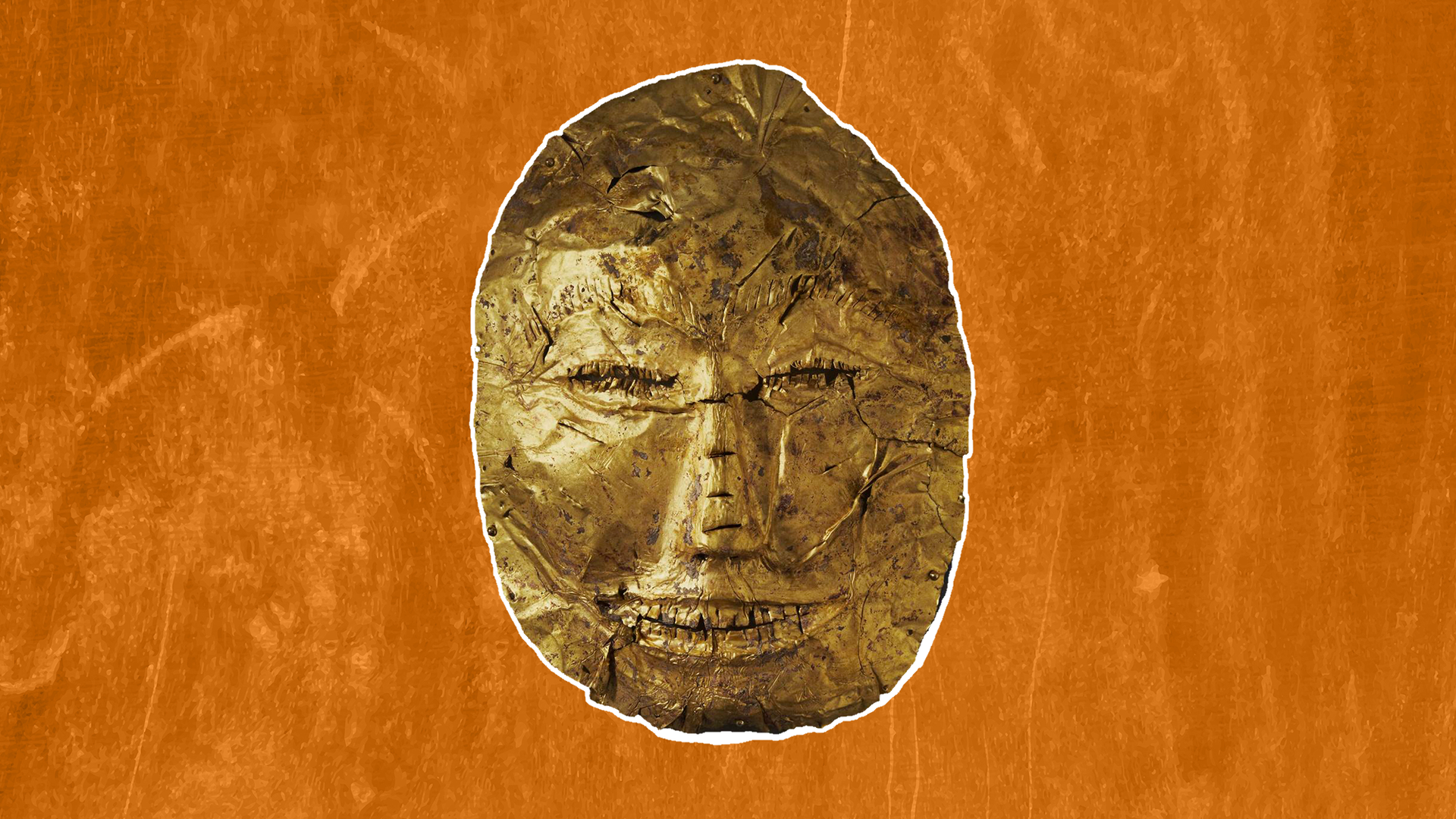
Archaeologists in Java, Indonesia, discovered a 2,000-year-old gold mask used during burials between 500 B.C. and A.D. 200.
The mask, now held by the Yale University Art Gallery, measures about 8.9 by 6.7 inches and weighs 2.1 ounces. Ancient artisans crafted the mask from gold sourced from nearby islands like Sumatra and Borneo, hammering the metal into shape and using chisels to create details like eyes, a nose, and teeth. The mask’s purpose extended beyond simple adornment.
John Miksic, an archaeologist, suggests the Javanese people created the masks to confuse the spirit of the deceased, preventing it from harming the living. This practice aligns with beliefs documented among people on eastern Indonesian islands, who sometimes turned corpses around or concealed their heads during funerals for the same reason.
Similar gold face coverings have been found in prehistoric India, China, and other parts of Southeast Asia, though it remains unknown whether these cultures shared the practice or developed it independently. Scholars debate whether the Javanese masks aimed for realism or idealization, but Wahyono Martowikrido noted this particular mask was unusually naturalistic and likely resembled the deceased. The mask is part of a larger collection of nearly 500 Javanese gold objects donated to Yale University in 2007.


