Maya red paint poisoned waterways with mercury
Headline and summary by local AI
Researchers found that the ancient Maya people contaminated their local waterways with mercury by using large amounts of cinnabar to create red paint.
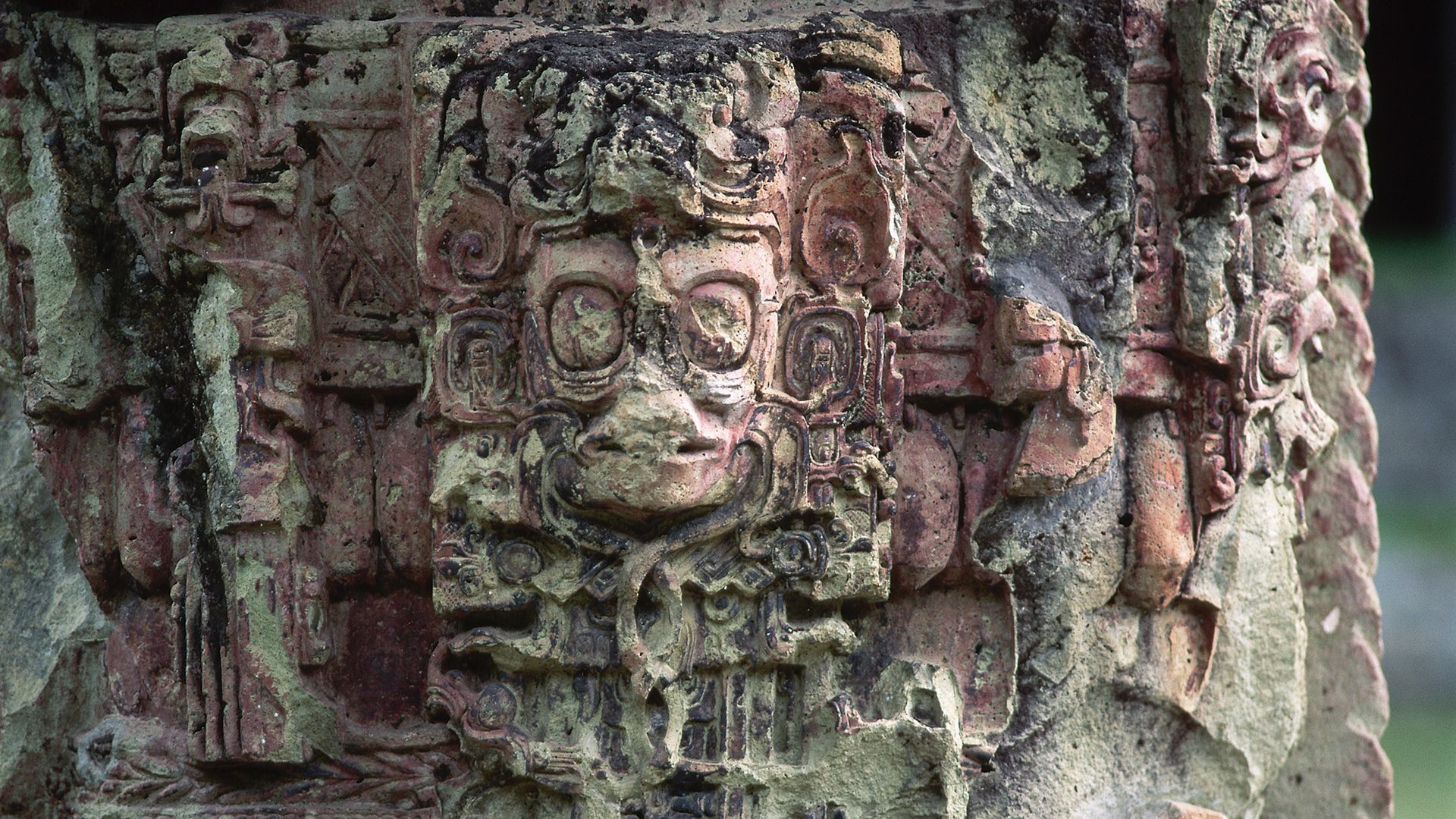
The study focused on the Yucatán Peninsula in Mexico, where the Maya people built cities and monuments. These people used cinnabar, a red mercury-sulfide mineral, to paint everything from sculptures and walls to pottery and even the dead for ceremonial funerals.
The researchers analyzed mud and sediment from two sites: Cobá Lake and Cenote Xcach, a flooded sinkhole. They discovered that runoff from the red paint entered the water, where bacteria transformed the mineral into toxic methylmercury. This process caused the poison to build up in the food chain. The team found that mercury levels in the most polluted parts of the Yucatán reached 2.3 parts per million, which is over 1,000 times higher than the safety limit for drinking water.
The mercury contamination caused visible environmental damage. Scientists found a lack of freshwater shellfish fossils in the sediment, suggesting the poison killed the local marine life. The researchers also noted a lack of algal blooms, which likely occurred because the toxic water prevented algae from surviving. While the mercury levels at Cobá Lake dropped around A.D. 520, the poisoning at Cenote Xcach continued until the civilization collapsed.
Selected and summarized by local AI How we work