Romans carefully dismantled an emperor statue during their retreat from Scotland
Headline and summary by local AI
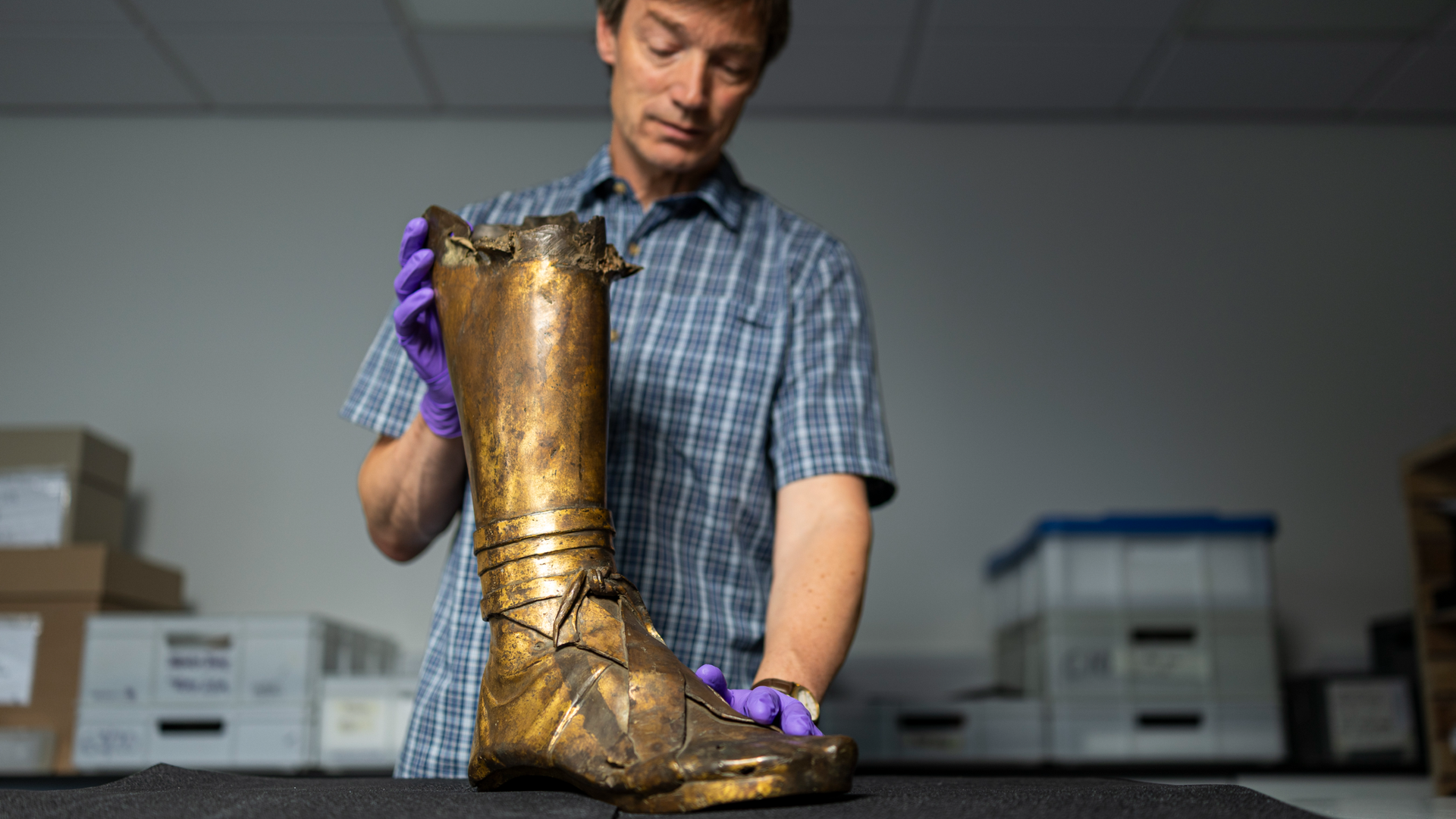
Archaeologists at National Museums Scotland identified a gold-covered bronze foot and calf as part of a monumental statue of the Roman emperor Antoninus Pius.
The artifact, known as the Milsington leg, was first found in a bog in 1820. Experts believe the piece belonged to an equestrian statue built around A.D. 140 to celebrate the expansion of the Roman Empire into southern Scotland. The statue likely resembled the famous Marcus Aurelius statue in Rome.
While researchers once thought the bronze was looted from York, England, they now believe it was part of a series of monuments placed in forts along the imperial border. Antoninus Pius ordered the construction of the Antonine Wall to defend these new territories, but the Romans eventually retreated from the region after his death. National Museums Scotland curators noted that the bronze shows no signs of being hacked off for scrap or destroyed in battle.
Instead, the lack of cut marks suggests the Romans carefully took the statue apart when they withdrew from Scotland. This discovery changes how historians view the Roman attempt to conquer the area, suggesting the expansion was a major achievement worth celebrating with permanent monuments.
Selected and summarized by local AI How we work
More in Discovery
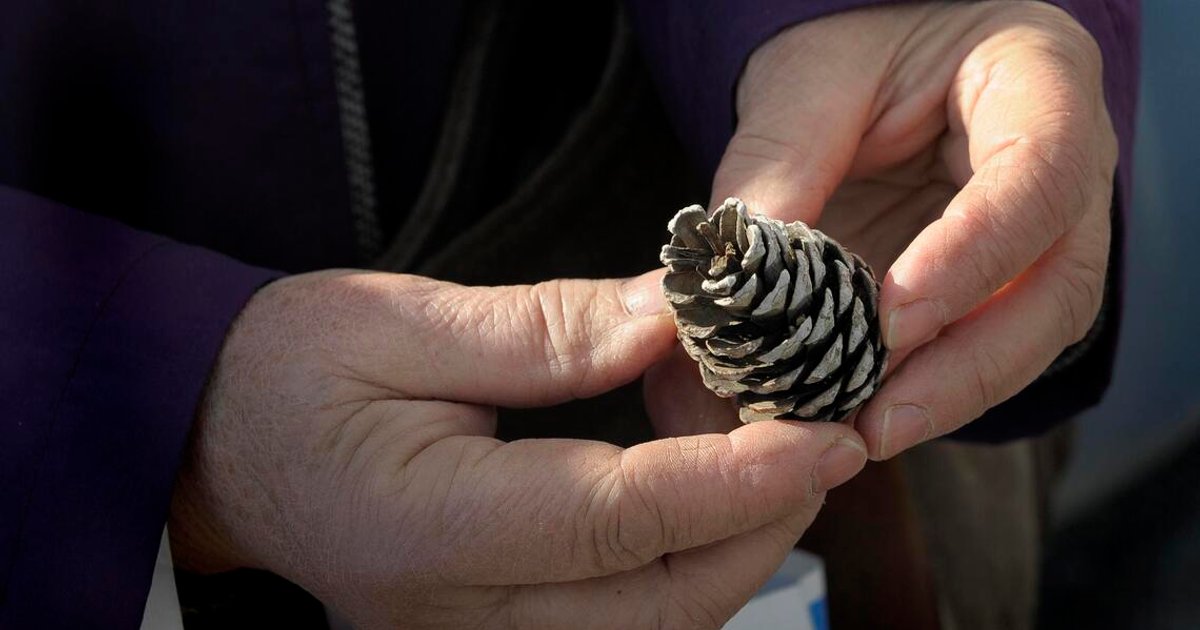
Seeds from Japan's miracle pine to be stored in British seed bank
straitstimes.com · 5 Nov 2026

Amsterdam Museum buys 1889 painting depicting its own former residents
nltimes.nl · 10 Nov 2026
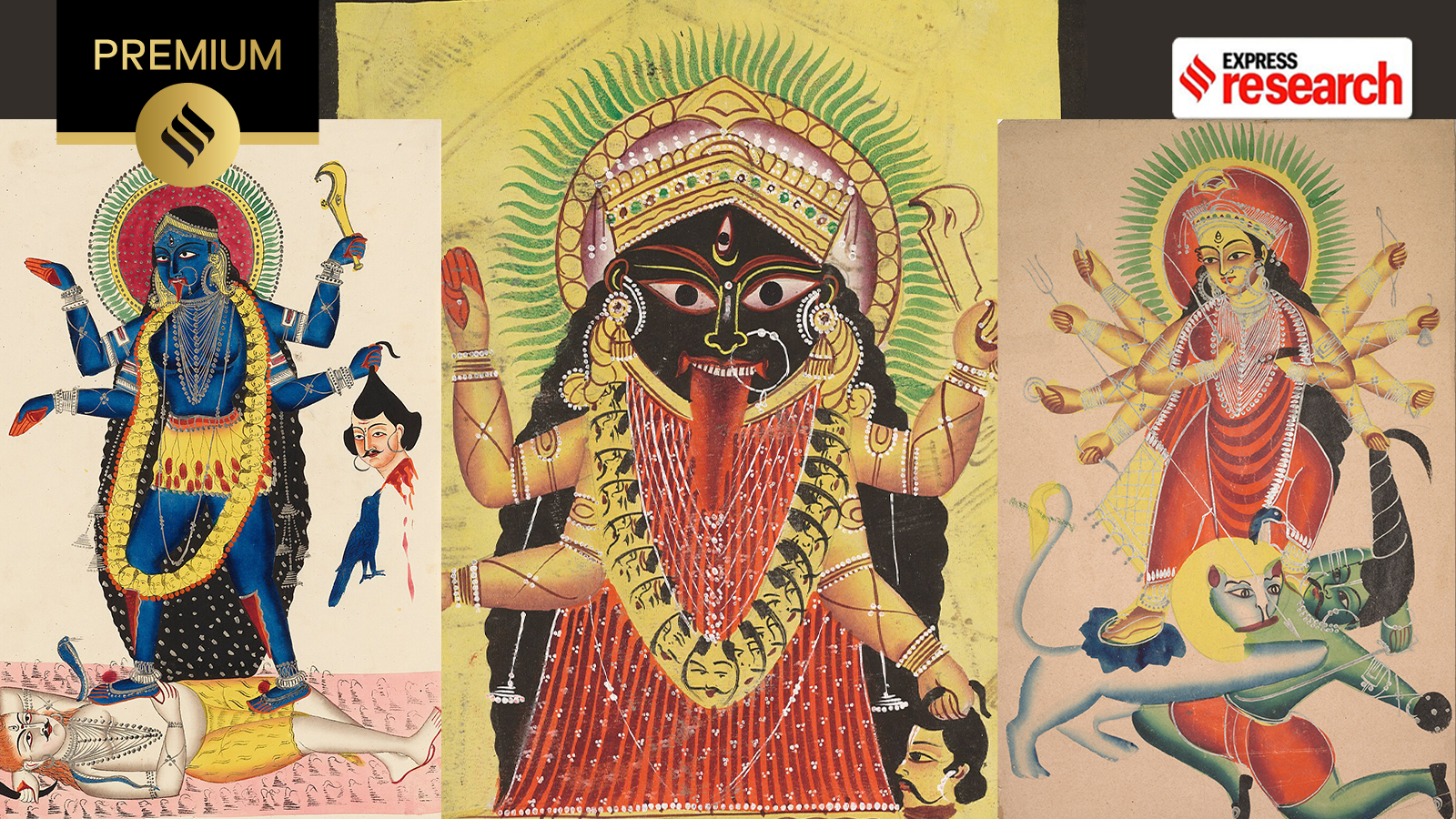
Kalighat paintings captured colonial life and local scandals in 19th century Bengal
indianexpress.com · 4 Nov 2026