Roman suburbs unearthed beneath Bath’s Georgian buildings
Summary and headline written by AI from the source article. How we work
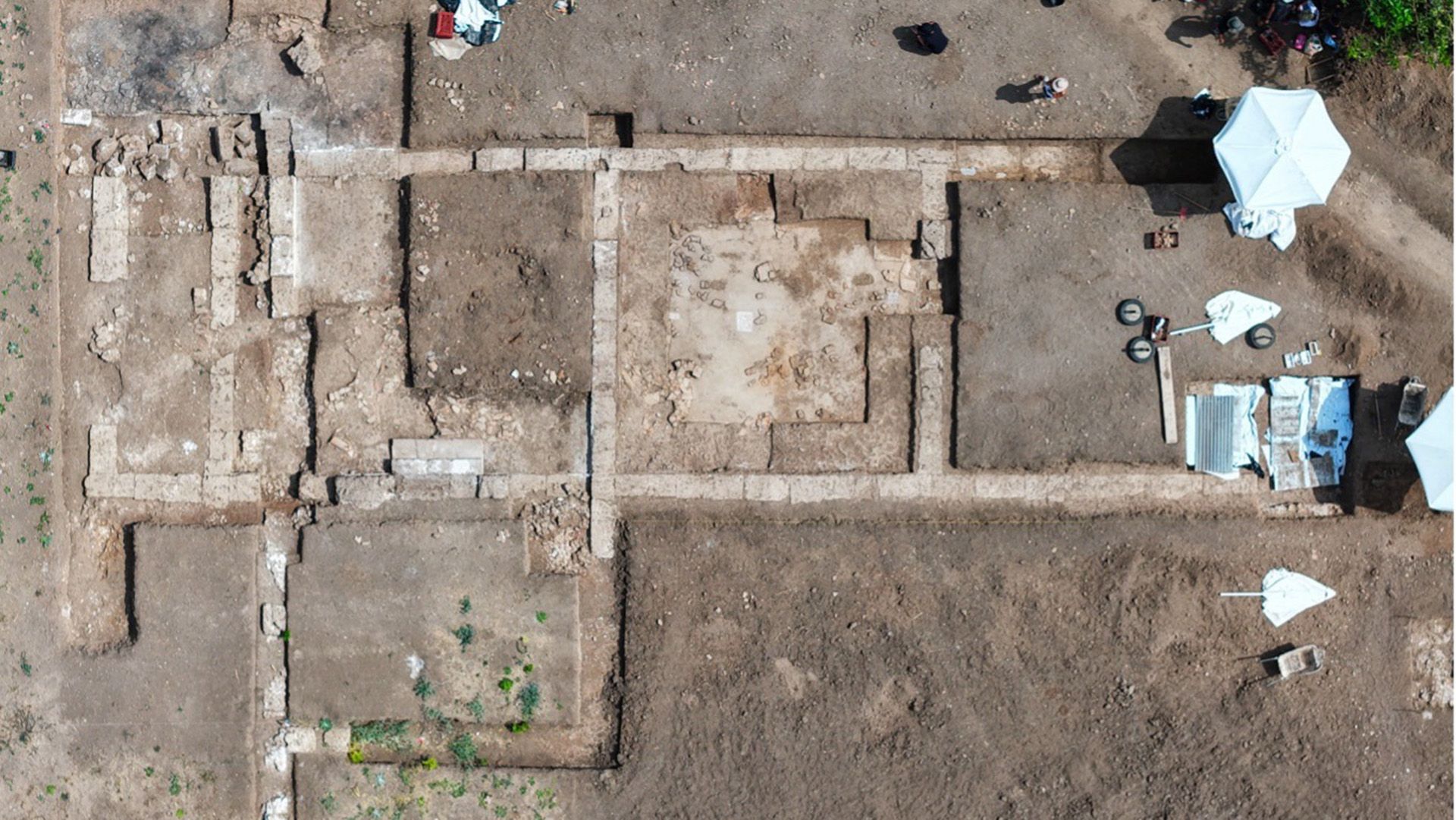
Archaeologists working on the restoration of Bath Assembly Rooms in England discovered a network of Roman ditches containing artifacts that reveal details about the city’s Roman-era suburbs.
The finds, including pottery, coins, glassware, and a fragment of a military helmet, expand the known area of Roman occupation in Bath and suggest more remains lie beneath the city. Marek Lewcun of Wessex Archaeology explained that the discoveries fill a gap in understanding how people lived outside the main Roman bath complex.
The artifacts indicate that residents in this area of Bath were likely common people who ran small shops, providing goods like pottery and bread. These inhabitants had integrated with people from across the Roman empire, bringing advancements like roofs, heating, and running water to a region previously marked by simple mud huts. Wealthier or retired military personnel probably lived in villas further up the hill, similar to modern retirement communities.
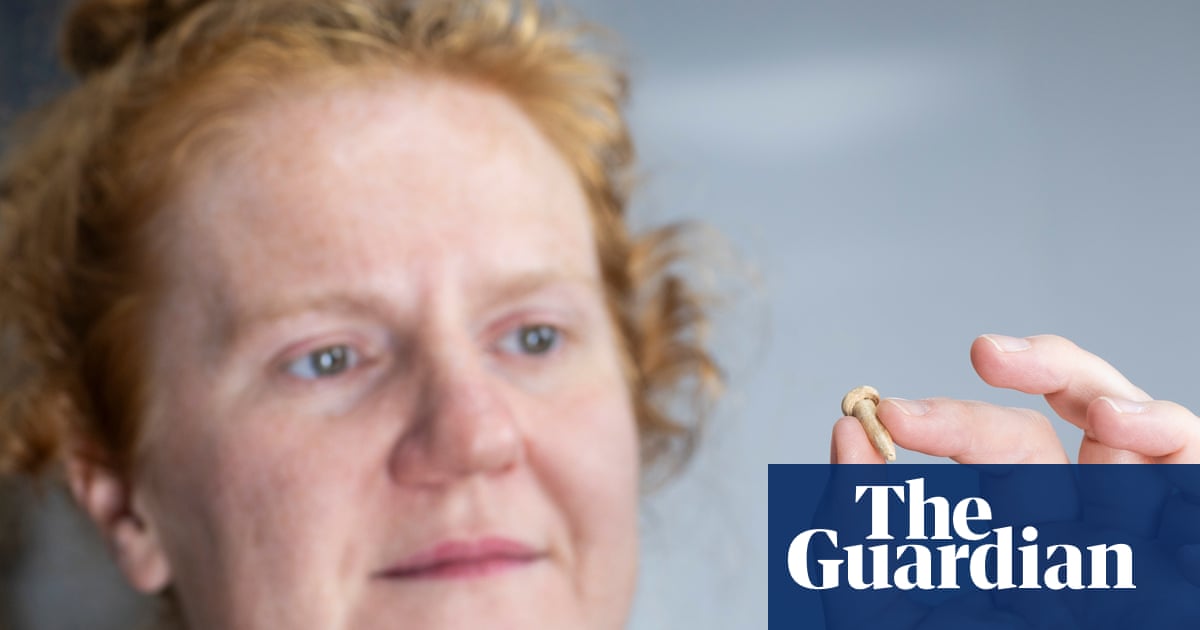
The team uncovered almost 60 pieces of Roman pottery, glass, animal bones, roof tiles, and coins, along with a limestone tessera that was part of a mosaic floor. The shallow foundations of Bath Assembly Rooms, built in the late 18th century, helped preserve the Roman ditches for modern archaeologists to find. The £20 million restoration project will reopen the building next year, showcasing both its Georgian history and these newly discovered Roman remains.