Yuan zaju and Medieval European religious drama use suffering to build community

Headline and summary by local AI
Researchers compared the narrative functions of Yuan zaju, a Chinese dramatic form, and Medieval European religious drama to see how both traditions use suffering to shape public experience.
The study analyzed specific plays, including Dou E Yuan and Everyman, to examine how these traditions organize themes of injury and justice. The authors found that Yuan zaju focuses on wrongful harm, legal violence, and urban grievances. These plays direct spectators toward recognizing injustice and expecting vindication.
In contrast, Medieval European religious plays connect suffering to sin, mortality, and divine judgment. These works place human pain within a history of salvation and penitential reflection. Both traditions turn individual suffering into a public moral experience by making it visible to a shared audience. While Yuan zaju relies on legal and civic structures to repair damaged social orders, Medieval European drama uses ritual and devotional structures to seek mercy and salvation.
The research suggests that narrative function serves as a tool to link how different cultures attribute responsibility and form communities through drama.
Selected and summarized by local AI How we work
More in Discovery

Egyptian Architect transforms historic architecture into silver jewelry
egyptianstreets.com · 16 Nov 2026
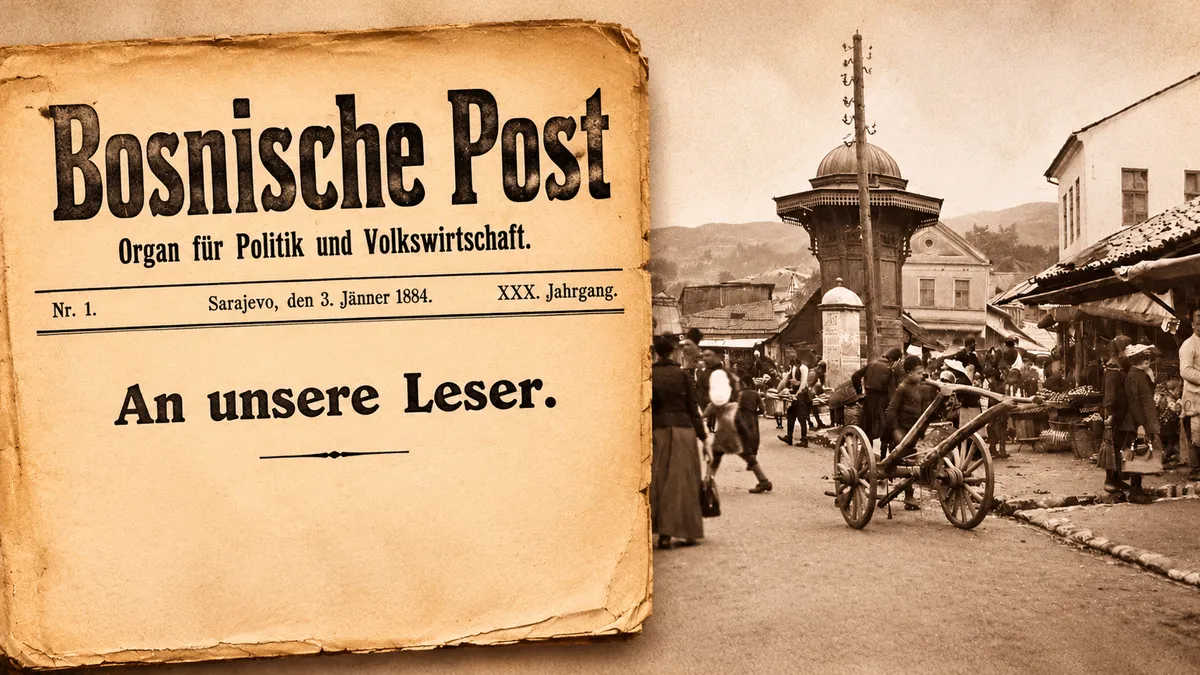
Sarajevo's German-language newspaper chronicled imperial life for over three decades
n1info.ba · 24 Nov 2026

Archaeologists find largest Viking silver hoard in Denmark
the-past.com · 18 Nov 2026