Ancient wildfires burned near South Pole rainforest
Summary and headline written by AI from the source article. How we work
Researchers with the Alfred Wegener Institute in Germany discovered evidence of recurring wildfires in West Antarctica dating back 90 million years. They analysed a sediment core from the region, revealing a time when Antarctica was a temperate rainforest instead of the frozen continent it is today.
The team identified minute charcoal particles, fossilized tree resin called amber, and abundant peat moss within the core, all indicating frequent fires.
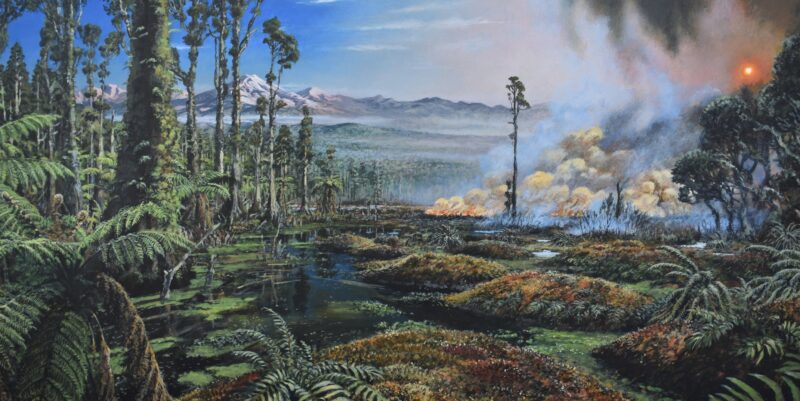
The charcoal suggested the fires were low-intensity surface fires, burning mostly soft conifer wood. The study builds on earlier research from 2020, which first showed signs of a lush rainforest existing in the area. This Cretaceous-period forest lay roughly 560 miles from the South Pole and experienced warm, humid conditions with seasonal variations and monsoon seasons. Lightning strikes during monsoon seasons likely ignited the fires, which kept the vegetation open and encouraged the development of peat bogs.
These peat bogs are significant because they act as carbon sinks, storing carbon over long periods. The researchers noted that the formation of these peatlands was linked to the recurring fires, as drier conditions and frequent fires prevented full forest development. The findings suggest a parallel between this ancient Antarctic ecosystem and modern Arctic raised bogs, both experiencing regular fires and peatland formation.


