Condor recovery highlights global conservation challenges
Summary and headline written by AI from the source article. How we work
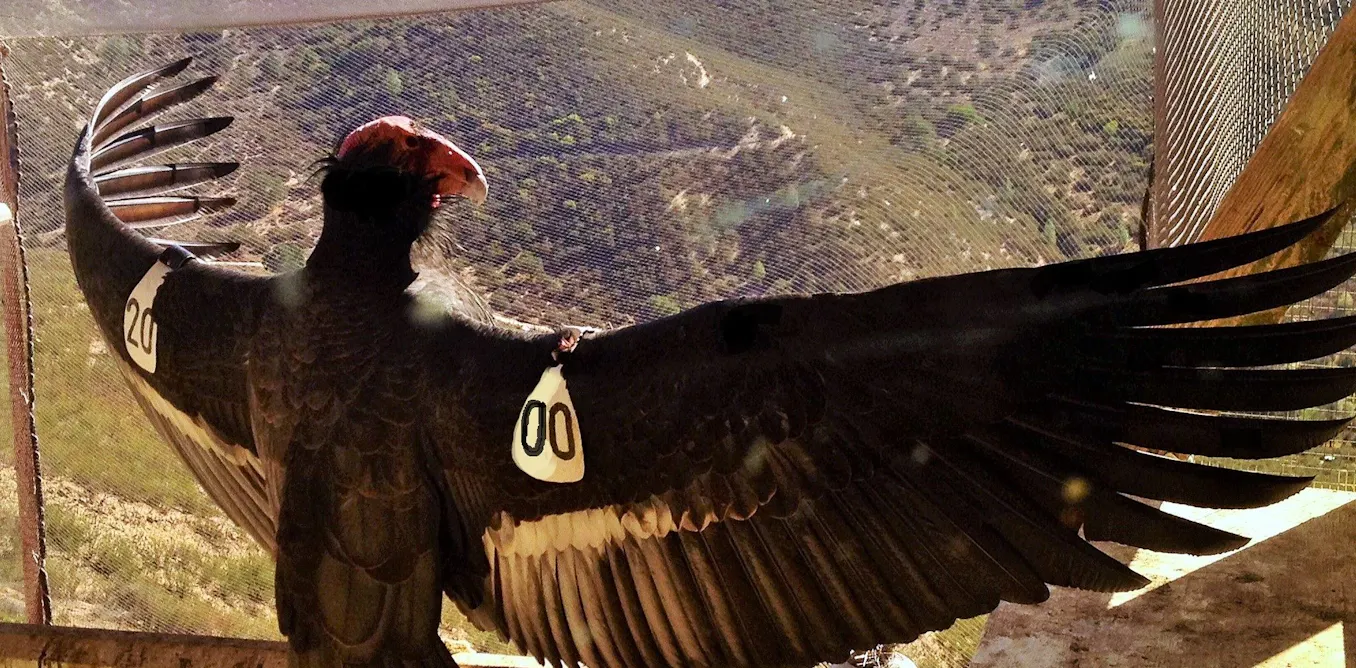
Biologists captured the last free-flying California condors in 1987, initiating a captive breeding program that has since restored over 300 condors to the wild.
This success, however, involved disputes over whether capturing the birds was rescue or surrender and debates about funding priorities. The condor’s story illustrates wider questions about which species receive conservation funding and who bears the associated costs, issues currently under discussion at the U.N. Convention on Biological Diversity conference.
An agreement adopted in 2022, the Kunming-Montreal Global Biodiversity Framework, aims to mobilize $200 billion annually by 2030 to conserve 30% of the world’s land and oceans and halt species extinction. However, with approximately 1 million species threatened, conservationists face difficult choices about allocating limited resources. A 2025 study found that five mammal groups received 86% of conservation funding, while plants and invertebrates received only 6.6%, despite their crucial roles in ecosystems.
The success of conservation efforts also depends on local support. Communities whose livelihoods are affected by conservation measures, such as farmers losing livestock to reintroduced predators or the Maasai people facing displacement for lion conservation in Tanzania, must be included in decision-making processes. The 2026 biodiversity conference will focus on establishing a permanent advisory body to give Indigenous peoples and local communities a formal role in shaping conservation priorities and ensuring equitable resource allocation.


