Madagascar’s livestock arrival linked to herbivore decline
Summary and headline written by AI from the source article. How we work
Researchers studying ancient bones on Madagascar determined that introduced livestock, cattle, sheep, and goats, spread quickly across the island around 1,200 years ago.
A team from Oregon State University and the Columbia Climate School analyzed bone samples and found this spread coincided with forest loss and the decline of large native herbivores like elephant birds and pygmy hippos, animals unique to Madagascar, a large island nation off the coast of Africa.
The researchers combined their bone analysis with studies of ancient pollen and climate patterns. These reconstructions showed that grasslands expanded as the livestock became established, and the climate experienced fluctuating periods of dryness. This evidence suggests that the extinction of Madagascar’s megafauna wasn’t simply caused by hunting by the first humans to arrive, but by a combination of factors including the introduced animals, changing vegetation, climate shifts, and how people used the land.
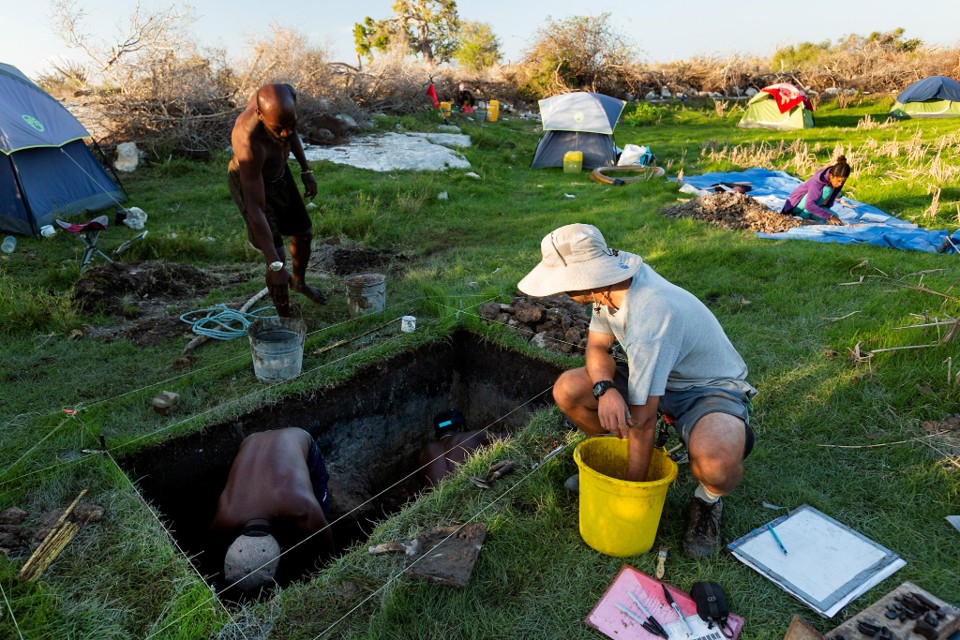
The team assembled the largest collection of ancient livestock bones from Madagascar to date, using radiocarbon and stable isotope analysis to track their spread. They found cattle increasingly relied on grasses suited to warmer, drier conditions over the past 1,000 years, but still thrived in a variety of habitats. The study’s findings can help guide current efforts to balance livestock farming with the protection of Madagascar’s unique biodiversity and ecosystems, as livestock remain vital to many people’s livelihoods.


