Ancient tomb discoveries reveal trade networks in the Negev desert
Headline and summary by local AI
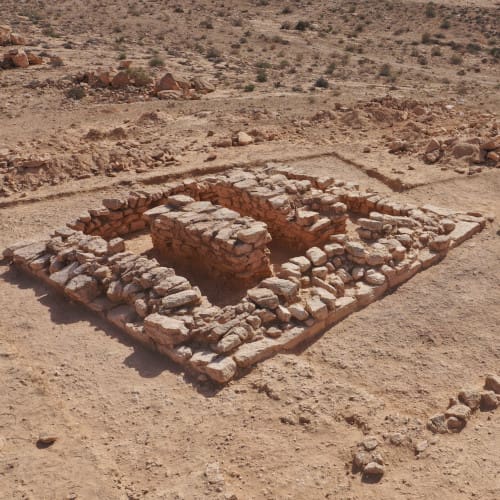
Archaeologists Tali Erickson-Gini and Martin D. Pasternak excavated two stone structures in the Negev desert of Israel to study ancient trade routes.
The site sits at a crossroads where two major paths met during the first millennium BCE. One route led toward the Wadi Arabah via the Scorpions’ Ascent, while the other was the Darb es-Sultan, a highway used since at least the third millennium BCE.
These paths connected Egypt and the Mediterranean with North Arabia and the region of Edom. The team found a large stone structure of approximately 25 square feet and a smaller one of about 15 square feet. The larger structure served as a tomb from the seventh to the early fifth centuries BCE and contained the remains of at least 56 individuals.
The smaller structure initially functioned as a ritual space with a paved floor before it was repurposed as a tomb. Artifacts found in these structures include alabaster jars, clay incense burners, and mortars and pestles. These items were used to process and transport frankincense and myrrh from South Arabia. Erickson-Gini and Pasternak suggest the site was used by merchants involved in long-distance trade.
The researchers believe the tombs may have been built by traders from South Arabia because the architecture resembles southern Arabian styles. The discovery of many young women among the burials led the authors to speculate that women were trafficked as part of the trade. They suggest these women may have served as temple attendants, noting the presence of large seashells with broken spines that functioned as bells.
Selected and summarized by local AI How we work
Discovery: Archaeology, new knowledge of art, culture and history, forgotten history uncovered, something lost restored.
More in Discovery

Portuguese kings secured sovereignty and identity at the battle of Salado
observador.pt · 12 Nov 2026
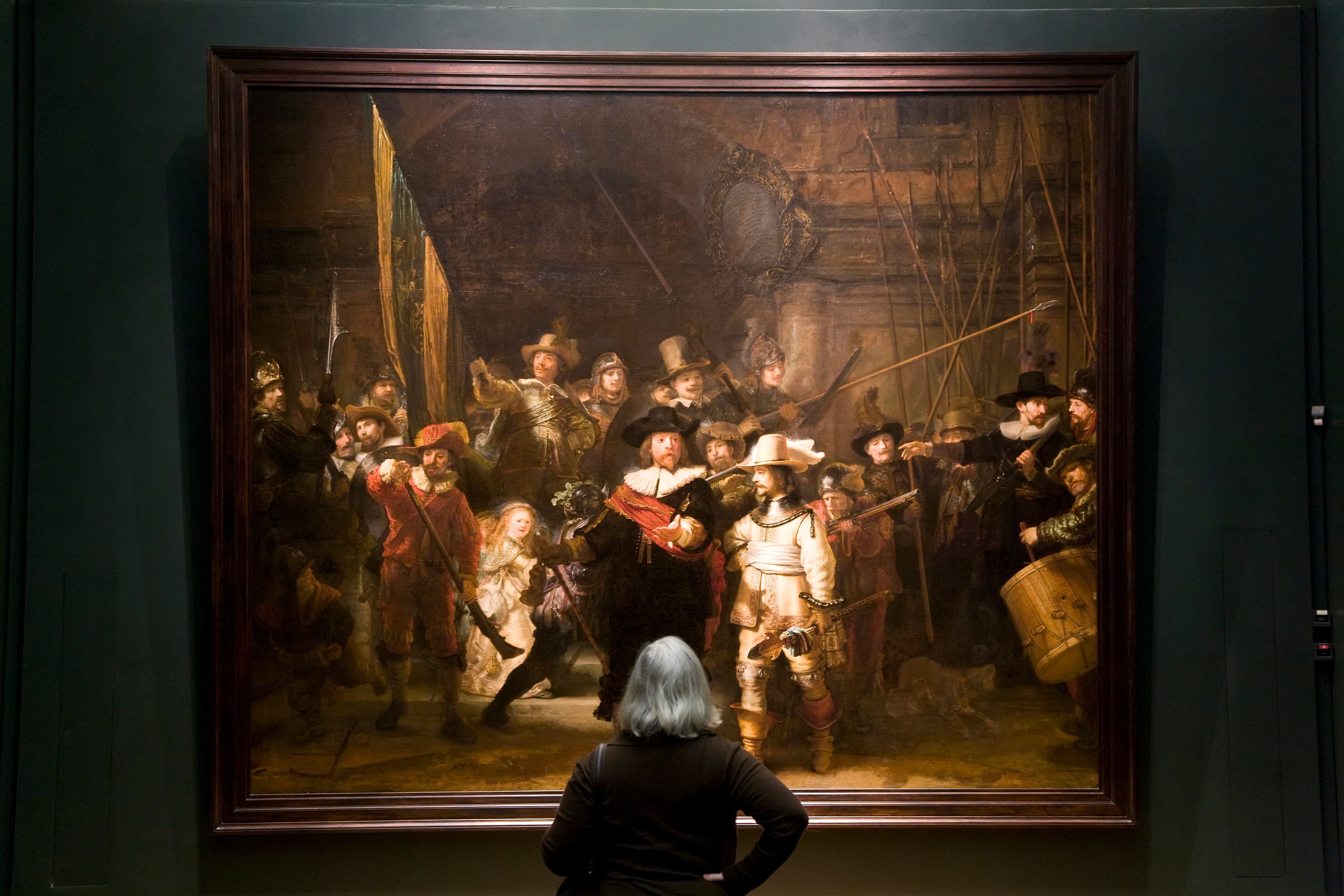
Researchers discover Japanese bacteria on Rembrandt's night watch painting
elpais.com · 10 Nov 2026
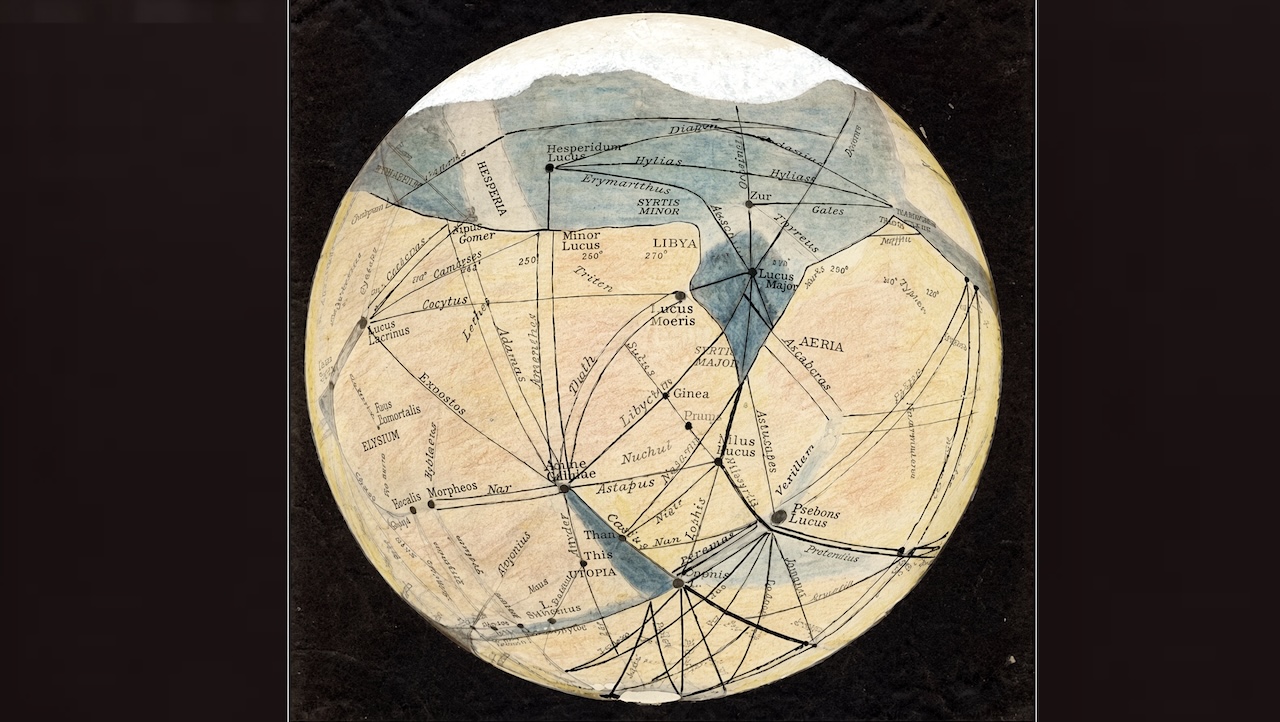
Scientists use spectroscopy to map the historical roots of astrobiology
astrobiology.com · 9 Nov 2026