Researcher visits Damascus to trace the biblical journey of the apostle Paul
Headline and summary by local AI
Mark Wilson traveled to Damascus, Syria, to visit historical sites associated with the apostle Paul and explore the city's ancient Roman and Christian heritage.
Wilson navigated the Old City with a local guide named Akel, visiting landmarks described in the biblical book of Acts. The pair walked along Straight Street, also known as the Via Recta, where tradition states Paul was led to the house of Judas after being blinded by a light.
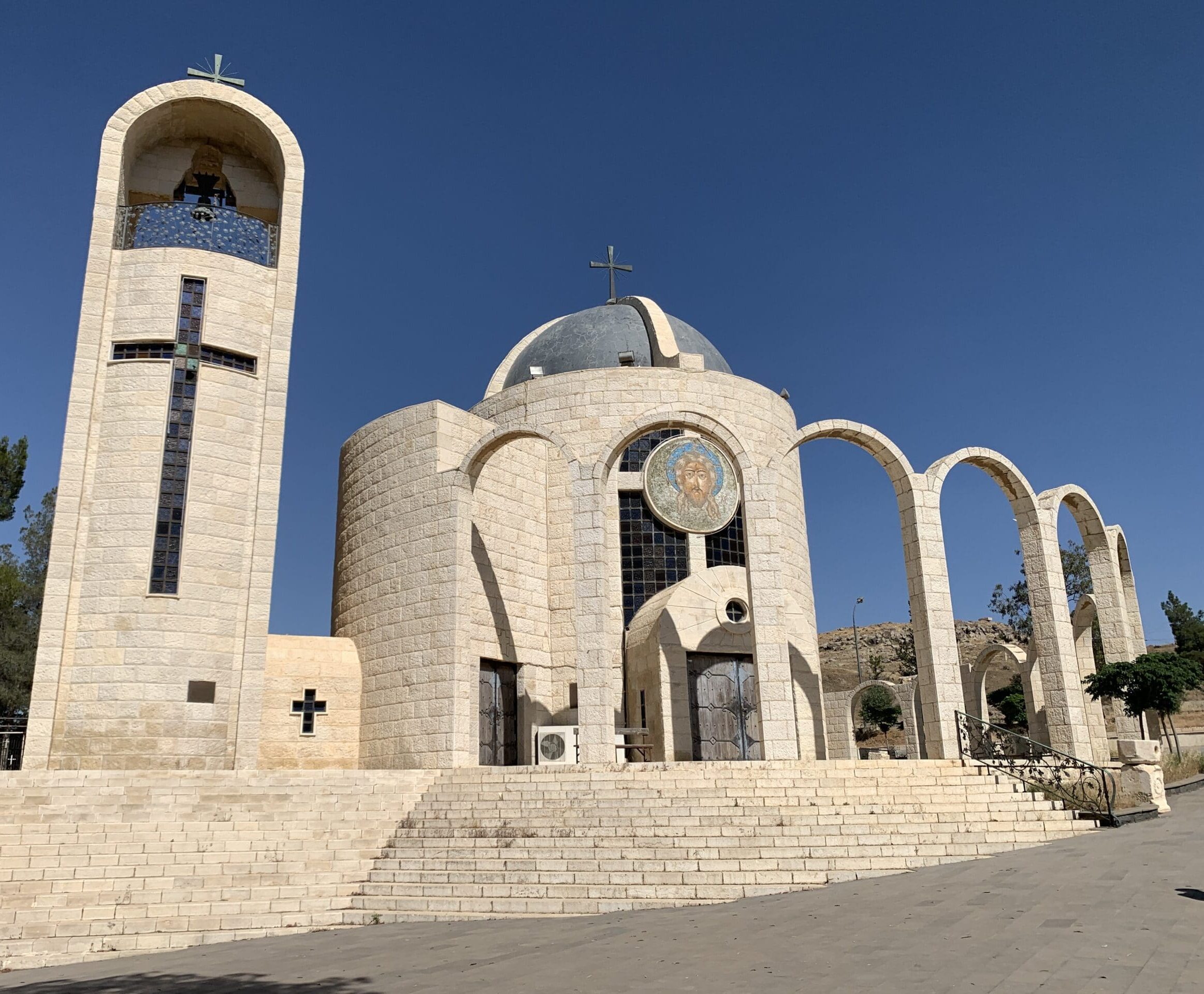
They also visited the Bab Kisan gate, where tradition says Paul escaped from King Aretas by being lowered down a wall in a basket. Near the Bab Sharqi gate, they viewed the underground house of Ananias, the site where Paul was baptized. The trip included a journey 10 miles southwest of Damascus to the Monastery of the Vision of Paul. This site marks the location where Paul reportedly had a vision of Jesus while traveling from Jerusalem.
Wilson observed Roman ashlar blocks and Corinthian capitals scattered around the monastery, suggesting the presence of a major ancient building. He also visited the Great Mosque of Damascus, noting that its western wall was originally part of the Roman Temple of Jupiter. The visit occurred during a period of relative stability following the Syrian civil war, though the U.S. State Department still classifies Syria as a Level 4 "Do Not Travel" country.
Wilson observed local life, including residents preparing for the Eid al-Adha holiday and the preservation of 18th-century structures like the Khan Sulayman Pasha caravanserai. The experience provided a firsthand look at the layers of religious and imperial history in one of the world's oldest continuously occupied capitals.
Selected and summarized by local AI How we work
Discovery: Archaeology, new knowledge of art, culture and history, forgotten history uncovered, something lost restored.