Xiongnu empire tomb excavation reveals trade links to Rome and Korea
Headline and summary by local AI
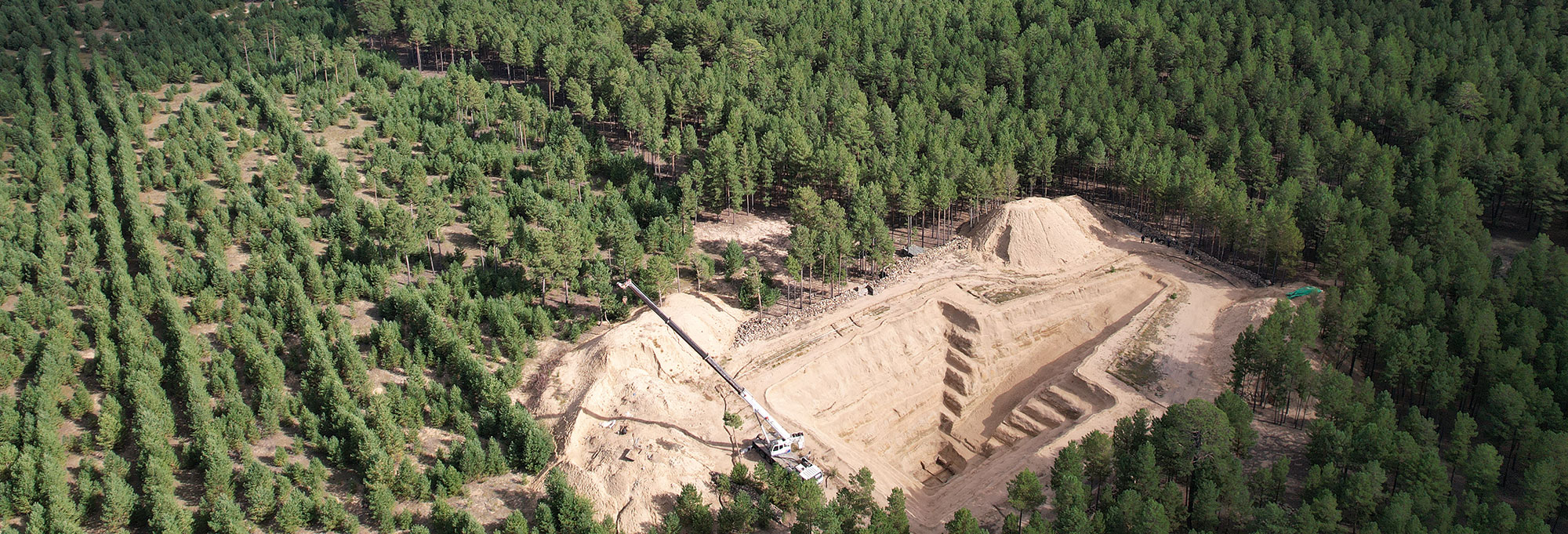
Archaeologists from the National Museum of Korea, the Mongolian Academy of Sciences, and the National Museum of Mongolia excavated a monumental tomb in the Duurlig Nars cemetery in eastern Mongolia.
The researchers discovered a 240-foot-long tomb containing a small burial chamber housed within two nested wooden structures. The site featured a lacquer-coated carriage placed above the central burial and was protected by nine layers of stacked stones reaching depths of more than 45 feet.
The team recovered a transparent glass vessel with a handle that likely originated in the Roman Empire. Scientists plan to use chemical analysis to confirm the vessel's exact place of manufacture. The excavation also revealed jade objects that resemble ceremonial disks from China's Han Dynasty but possess unique shapes and decorations. These differences suggest that the nomadic people of the Xiongnu Empire adapted Chinese customs into their own traditions.
Other finds include a silver horse harness pendant similar to items found in ancient North Korea and a gold ornament that represents the first of its type found in a Xiongnu burial.
Selected and summarized by local AI How we work
More in Discovery

Beethoven maintained resilience through Viktor Frankl's logotherapy framework
frontiersin.org · 3 Nov 2026

Researchers identify predators responsible for ancient Roman frog graveyard
phys.org · 10 Nov 2026
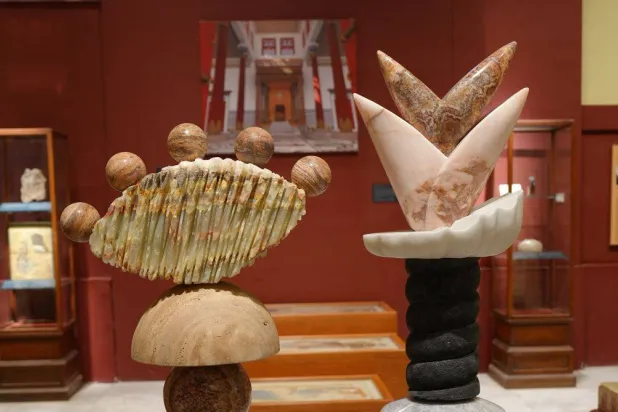
Artists interpret ancient Egyptian culture through modern design exhibition
aawsat.com · 10 Nov 2026