Hands reveal history of medicine and culture
Summary and headline written by AI from the source article. How we work
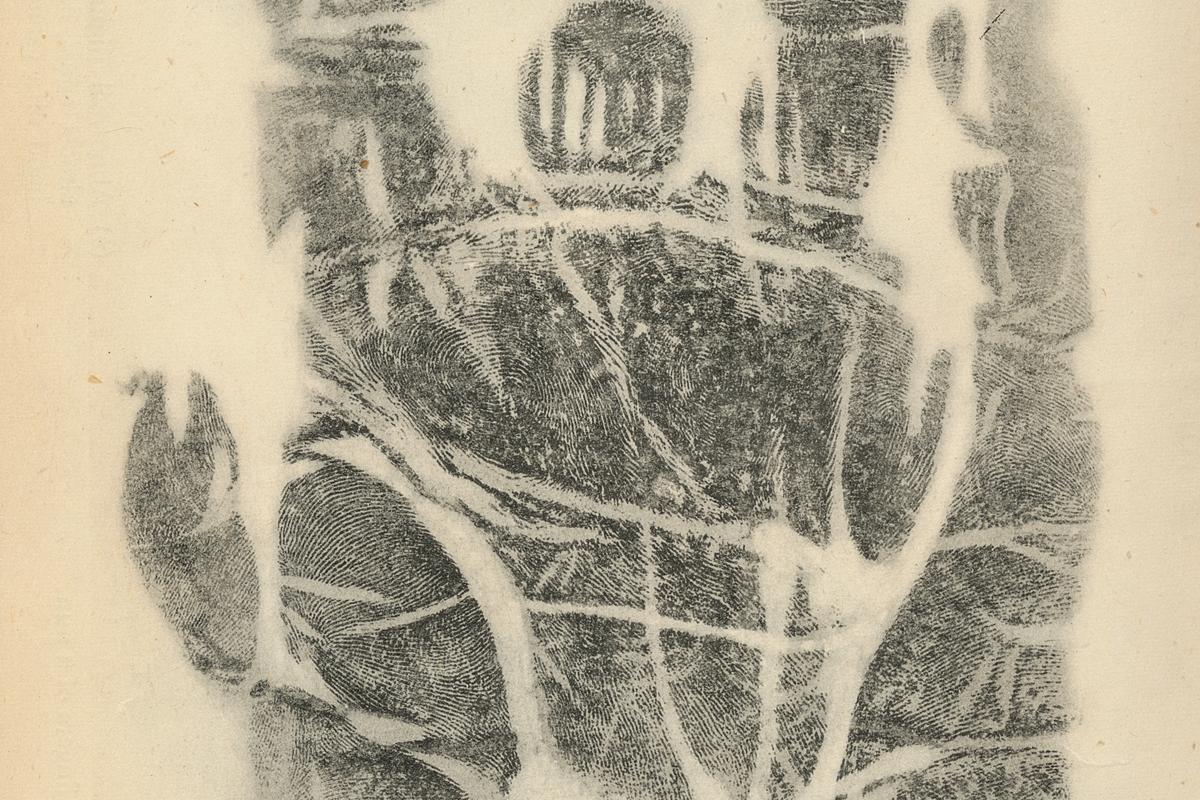
Physician Charlotte Wolff’s 1938 palm print of Mok, a lowland gorilla at London Zoo, sparked a historian’s investigation into the long connection between palmistry and medical diagnosis.
Wolff, a Jewish refugee from Berlin, was researching the “simian line”, a single crease some humans share with primates, believing it could reveal insights into anatomy and health.
This line, present in people like Robert De Niro and Hillary Clinton, was historically used by physicians to identify potential chromosomal anomalies like Down’s syndrome, and was a key diagnostic tool until recently. The practice stretches back centuries, with figures like Isaac Newton and Paracelsus incorporating palm reading into their medical and scientific studies. Early physicians saw the hand as a map of the body, using geometry and observation to understand health and character.
This tradition continued into the 19th and 20th centuries, influencing anatomists like Charles Bell and geneticists like Lionel Penrose, who studied palm creases alongside fingerprint patterns. Even as genetics advanced, the simian line remained a point of interest, with researchers analyzing it via ultrasound as late as 1990.
While often dismissed as pseudoscience, the historian argues that the study of the hand is deeply interwoven with the history of medicine, representing a consistent practice of interpreting bodily signs to understand the past, present, and potential future of an individual. Ultimately, the “language of the hand” has been a constant throughout the evolution of medical understanding.