Astronomers revive centuries-old eclipse observations
Summary and headline written by AI from the source article. How we work
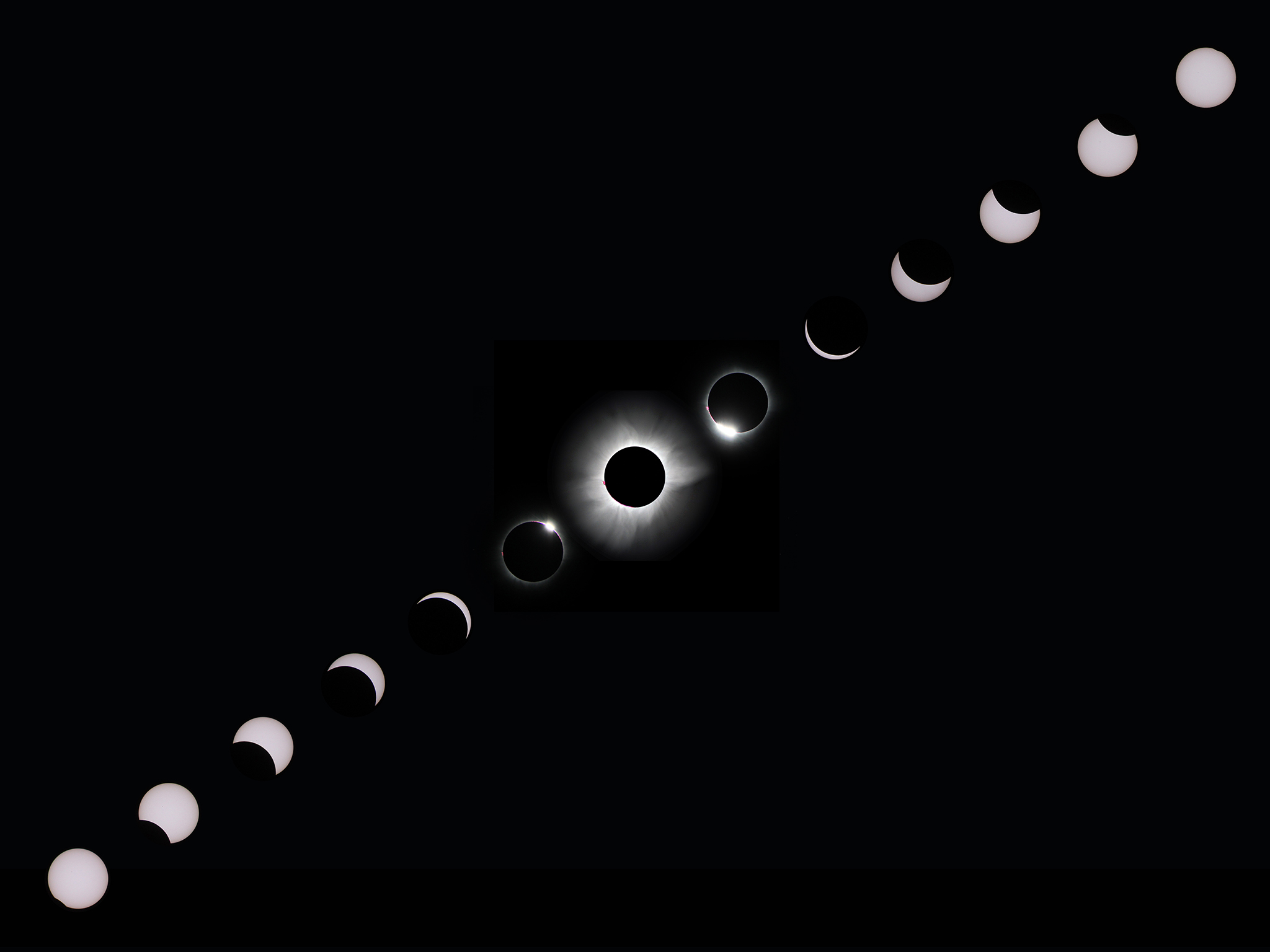
In Sweden, Birger Wassenius observed a solar eclipse on May 13, 1733, and sketched the event, including what researchers now confirm are the first detailed records of solar prominences, loops of plasma extending from the Sun.
Hisashi Hayakawa of Nagoya University and colleagues translated Wassenius’s report from Swedish and analyzed his drawings, which had been archived but never formally published.
The team used Wassenius’s measurements to calculate the Sun’s radius at the time to be 696,250 ± 170 km, a value consistent with earlier eclipse measurements from 1715, though larger than current accepted figures. The researchers accounted for limitations in Wassenius’s observations, noting that he sketched some prominences from memory due to the brief eclipse and a limited field of view.
By analyzing the positions of these features, they determined at least one prominence appeared at a high latitude on the Sun. This observation suggests the Sun may have been entering a period of increased activity in 1733, rather than experiencing a minimum as previously believed, though the team acknowledges other possibilities. This analysis demonstrates the usefulness of historical astronomical data in understanding the Sun’s long-term activity cycles, especially during periods when sunspot observations were infrequent.
The team’s work adds to the historical record of solar eclipses and offers new insights into the Sun’s behavior nearly 300 years ago.