Simple plastic bags help doctors identify life threatening bleeding after birth
Headline and summary by local AI
Medical staff in Nigeria and Romania use simple plastic collection bags to detect postpartum hemorrhage, a leading cause of maternal death.
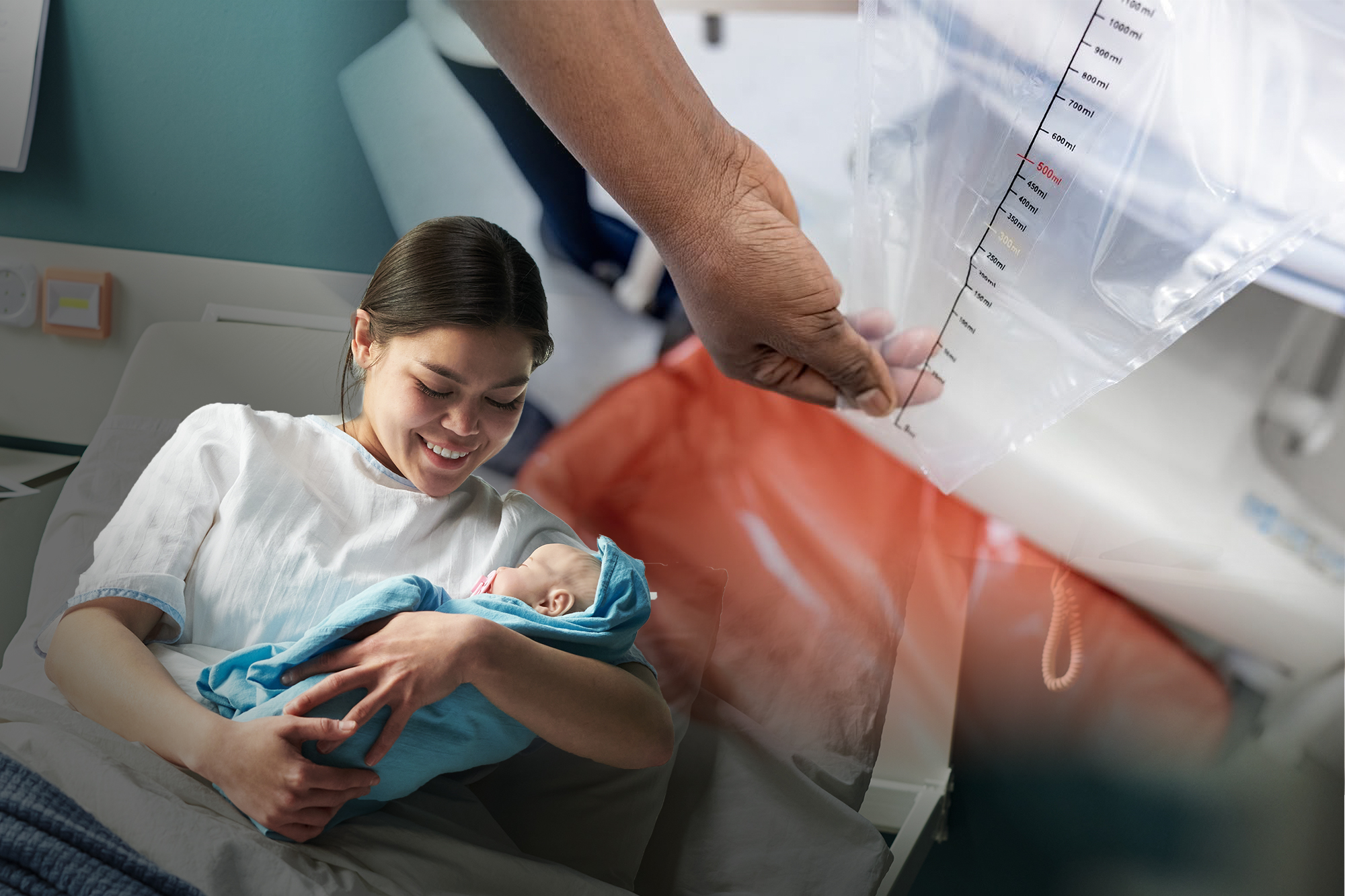
These devices, which look like small bags with a collection pocket at the end, sit beneath a woman during vaginal delivery. The bags allow healthcare workers to see exactly how much blood a patient is losing in real time. This objective measurement replaces visual estimates, which doctors often find unreliable because blood spreads across bedding and clothing.
The use of these bags became a standard in Nigeria after Dr. Hadiza Galadanci and her team conducted research. They found that using these bags alongside a coordinated bundle of treatments, including uterine massage, oxytocin, tranexamic acid, and intravenous fluids, reduced maternal deaths from hemorrhage by approximately two thirds. Before this, staff often waited 20 minutes between different treatments to see if bleeding stopped, a delay that can be fatal since a woman can die in just 10 minutes.
Daniela Stan, a head nurse at Maternitatea Giulești in Romania, explains that the bags provide a concrete value by allowing the team to communicate measurable data. While the bag itself does not stop the bleeding, it identifies the crisis early so the team can initiate the correct protocol. Binta Garba, a head nurse at Aminu Kano University Hospital in Nigeria, reports that her unit has seen no deaths from postpartum hemorrhage since they began using this method seven years ago.
Selected and summarized by local AI How we work
Thriving: Health improving, rights advancing, lives getting better.