New anaconda species discovered in Amazon after 10 million years
Summary and headline written by AI from the source article. How we work
Scientists working in the Amazon rainforest identified a new species of green anaconda after discovering a significant genetic difference from the previously known southern green anaconda.
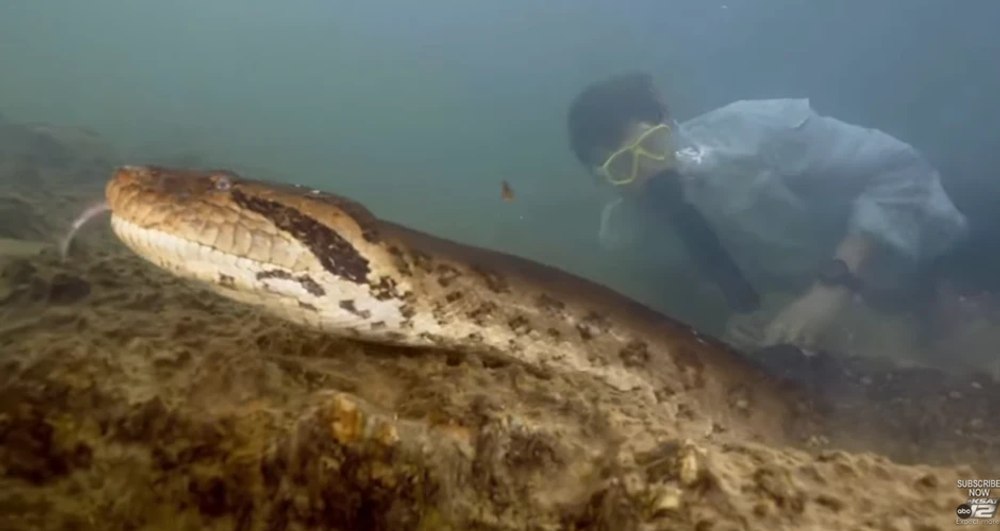
Researchers analyzed samples from Ecuador, Venezuela, and Brazil, and confirmed the distinction through genetic testing. The new species, named Eunectes akayima, diverged from the southern green anaconda (Eunectes murinus) nearly 10 million years ago.
While the two anaconda species appear similar, genetic analysis revealed a 5.5% difference between them, a considerable margin, comparable to the 2% difference between humans and chimpanzees. During an expedition in Ecuador, the team encountered a female anaconda measuring 6.3 meters long. Members of the Waorani Indigenous community, who assisted the researchers with their knowledge of the Amazon, reported even larger anacondas potentially exceeding 7.5 meters in length and weighing 500 kilograms, though these reports require further confirmation.
The research, conducted alongside filming for the National Geographic series “Pole to Pole with Will Smith,” also examined anaconda health to assess the health of the Amazon ecosystem, finding evidence of metal accumulation from oil industry pollution. Identifying the northern green anaconda is important for conservation efforts, as it appears to have a smaller range than its southern counterpart, making it more susceptible to habitat loss and human activity.