Lincoln’s proclamation freed millions, reshaped Civil war
Summary and headline written by AI from the source article. How we work
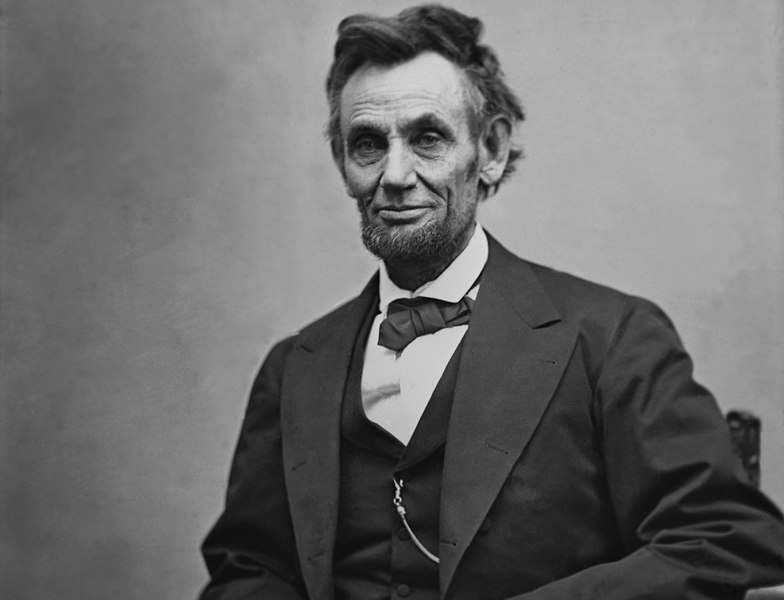
On September 22, 1862, United States President Abraham Lincoln issued the Preliminary Emancipation Proclamation, announcing the freedom of enslaved people in Confederate states rebelling against the Union.
The proclamation, fully enacted on January 1, 1863, declared over 3.5 million enslaved individuals free in those areas. It also allowed formerly enslaved people to join the Union Army, changing the war’s focus to include the abolition of slavery alongside preserving the nation.
While the proclamation didn’t immediately free everyone enslaved, it didn’t apply to territories already under Union control, it provided a legal foundation for emancipation as Union forces gained ground. Lincoln further supported a permanent end to slavery by advocating for the 13th Amendment to the Constitution, which Congress approved in 1865 and ratified later that year. The amendment prohibited slavery and involuntary servitude throughout the United States, except as punishment for a crime.
The same day in 1929 also saw the birth of Romanian film director Dinu Cocea, who later faced censure from the Ceaușescu regime for a film about a poorly built dam. He ultimately left Romania for Paris in 1986. Additionally, Italian tenor Andrea Bocelli was born on September 22, 1958, and later gained international acclaim after winning a debut competition at the Sanremo Music Festival in 1994.
In other news from September 22nd, Sara Jane Moore attempted to assassinate US President Gerald Ford in 1975, and Iraq invaded Iran in 1980, starting a war that would last until 1988. Former Italian President Giorgio Napolitano, who served from 2006 to 2015, died in 2023.