Ancient Chinese strategist Sun Tzu influences modern espionage tactics
Headline and summary by local AI
Modern intelligence services still study the principles of Sun Tzu, a Chinese military strategist who lived approximately 2,500 years ago.
His famous work, The Art of War, provides a foundation for contemporary military strategy, diplomacy, and cyber security. Researchers and military experts note that his teachings on psychological operations and disinformation remain relevant in the 21st century. Sun Tzu, whose real name was Sun Wu, lived during the Spring and Autumn Period in ancient China.
He served as a general for the Kingdom of Wu and is credited with achieving victory against the Kingdom of Chu at the Battle of Boju in 506 BC. His writings describe the importance of knowing an enemy's intentions through human intelligence rather than relying on intuition or calculations. The treatise includes a specific chapter on the use of spies, which many consider the origin of organized espionage.
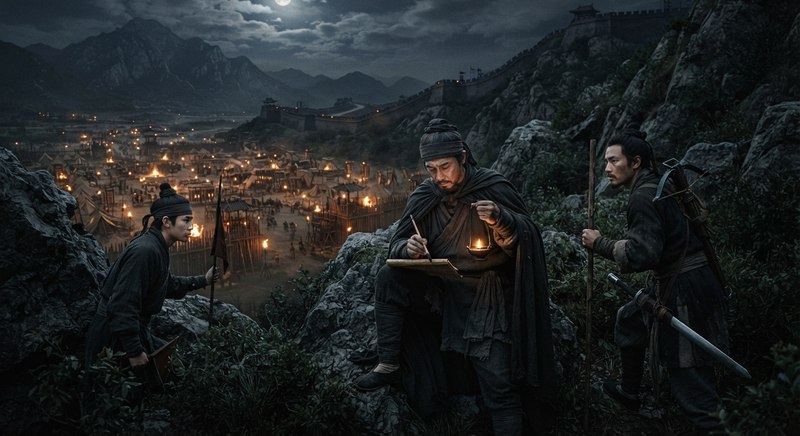
Sun Tzu categorized spies into five distinct types: local spies from enemy territory, internal spies who are officials of the enemy, double agents who are captured or recruited, sacrificed spies who transmit false information, and surviving spies who infiltrate the enemy camp and return with data. He argued that a well-organized intelligence service is a leader's most powerful weapon. Sun Tzu emphasized the necessity of rewarding double agents and maintaining a close bond with spies to ensure their loyalty.
He even suggested harsh penalties for those who leak secrets prematurely. While espionage existed in other cultures, such as ancient Egypt, Sun Tzu was among the first to systematically describe the organization of a spy network.
Selected and summarized by local AI How we work
More in Discovery
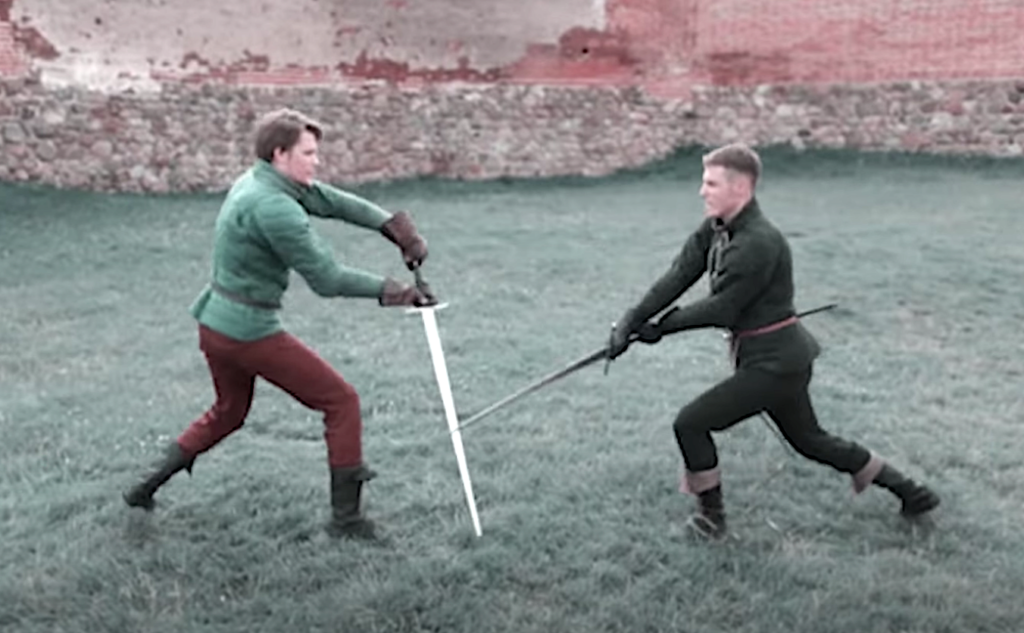
Polish group recreates medieval Italian longsword techniques from 1404 manuscript
openculture.com · 17 Nov 2026

Ancient fish fossils reveal deep evolutionary roots of melanin
siliconrepublic.com · 24 Nov 2026

Budapest exhibition revives the Overlooked artistic Legacy of Claire Vasarely
hungarytoday.hu · 20 Nov 2026